Chad is back
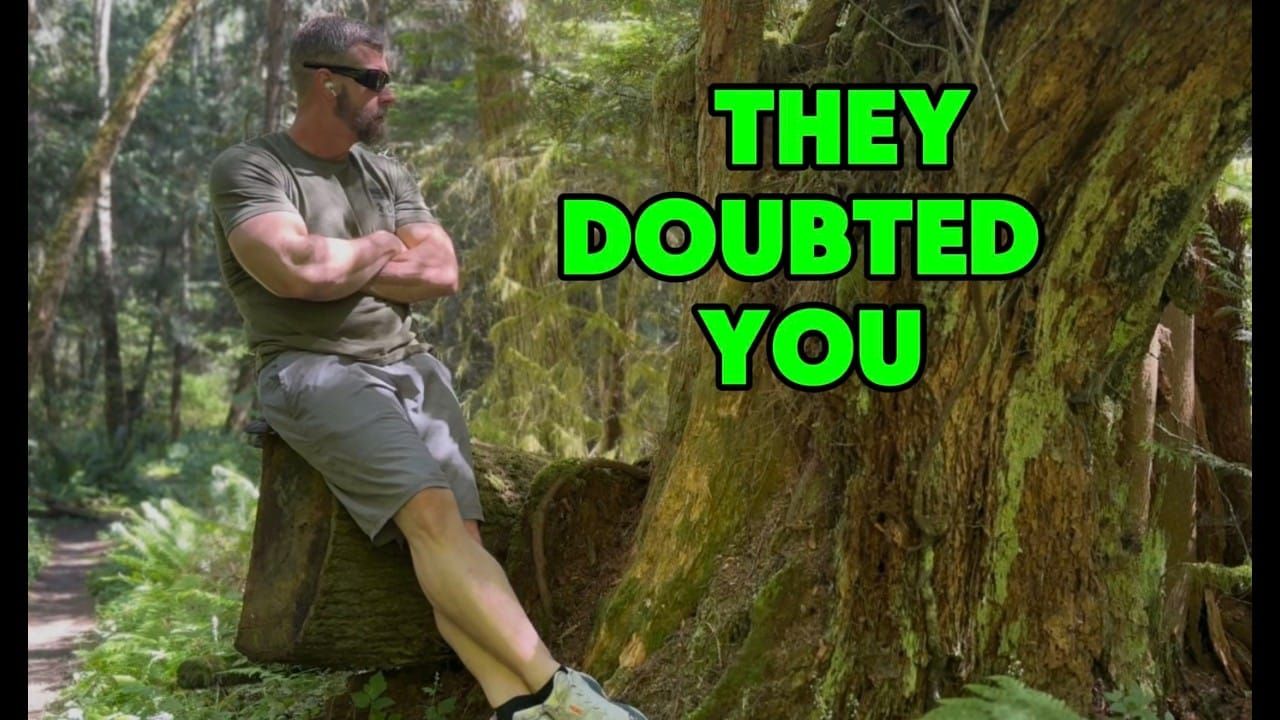
Chad’s monologue centres on recovering from prolonged anxiety and burnout by returning to a personal baseline—or ‘zero’—and rebuilding through small, familiar actions.
Significant points
- Accumulated stress: Chad describes how repeated personal and professional pressures became overwhelming and affected his sleep, motivation and ability to function normally.
- Sudden work travel: He says his boss repeatedly required him to leave home for extended periods, sometimes with only one to three days’ notice.
- Disruption of a deliberately designed life: Chad values his isolated home life in north-west Washington and found extended stays in unfamiliar cities and hotels particularly difficult.
- Medical scare: After an MRI, Chad says his original doctor told him that he had a tumour and would need painful surgery to determine whether it was malignant or benign.
- He sought a second opinion.
- According to Chad, the second doctor and a radiologist found no abnormality.
- Loss of his dog: Chad says he had to put down his 16-year-old bulldog.
- Withdrawal and anxiety: He describes reaching a point where he could barely leave the house, hike, make videos or use his camera equipment.
- YouTube burnout: Creating videos began to feel like a second job rather than something enjoyable. He also says that having 150,000 subscribers does not translate into substantial income for him.
- Starting again: Chad identifies familiar, enjoyable activities as his route back towards normality.
- Gradual progress: He emphasises that his comeback remains in progress and that he is not yet free from anxiety.
Pressures Chad describes
The opening uses a mixture of personal experiences and broader examples of stressful situations:
- Being given an unrealistic project deadline.
- Enduring a daily commute.
- Losing a long-term pet.
- Facing a possible cancer diagnosis.
- Being sent away for work with very little notice.
- Spending extended periods away from family and home.
- Staying in unfamiliar and unpleasant locations.
- Experiencing racing thoughts and disrupted sleep.
- Feeling trapped in a cycle of stress, anxiety and burnout.
The project deadline and commute are introduced as examples but are not explored later in the monologue. The work travel, medical scare and loss of his dog are presented as Chad’s direct experiences.
What ‘finding zero’ means
For Chad, zero is the point at which life feels acceptable and manageable again. It is not necessarily exceptional or ambitious; it is a stable starting position from which progress can resume.
He encourages listeners to ask:
- What was my previous normal?
- What used to bring me enjoyment?
- What gave me a sense of accomplishment?
- What am I proud of?
- Why do I want to make a comeback?
- What is my ultimate goal?
- What is the smallest action I can take now?
Chad’s personal starting points
Chad says he returned to activities he had enjoyed in his late teens and early twenties:
- Working on his truck: He installed a lift kit and 40-inch tyres himself.
- Riding dirt bikes: He bought what he describes as his dream bike and began riding regularly.
- Returning to the gym: He resumed working out.
- Meditating: He says he meditated every day.
- Hiking: He chose one of the easiest local trails while rebuilding his fitness.
- Making videos: Despite feeling nauseous with anxiety, he turned on the camera and recorded again.
He describes dirt-bike riding as a form of meditation and a way to clear his mind.
Examples of small starting actions
Chad stresses that recovery does not require an expensive purchase or a dramatic change. His examples include:
- Completing a puzzle.
- Playing board games with family.
- Returning to a former hobby.
- Going back to the gym with lighter weights.
- Taking an easy walk or hike.
- Doing something practical that creates a visible result.
- Relearning a skill without expecting immediate mastery.
Core principles
- Start slowly.
- Take baby steps.
- Return to something familiar.
- Choose an activity that provides enjoyment or accomplishment.
- Accept that previous ability may have declined.
- Build mental and physical capacity gradually.
- Identify a larger, ambitious goal.
- Break that goal into small, manageable actions.
- Expect periods of anxiety and burnout.
- Continue moving forwards despite discomfort.
Key analogies
- Marathon: A person cannot expect to get off the sofa and immediately run a marathon; preparation may take months or years.
- Weight training: Someone returning to the gym after years away should not expect to lift the same weight as before.
- Mental strength: Chad compares emotional resilience with physical strength, arguing that both need to be rebuilt through repeated effort.
- Hamster wheel or treadmill: He uses these images to describe expending effort without seeing progress.
Wider observations
Chad also discusses:
- Financial pressure, using rising grocery and fuel costs as examples.
- Burnout from overwork, which he describes as ‘burning the candle at both ends’.
- Introversion and public speaking: Although he dislikes large crowds, he says one of his dreams is to become a public speaker.
- Personal finances: He says he prefers to save and pay cash rather than finance purchases, while clearly presenting this as his personal opinion.
- Future work plans: He says that, if circumstances continue favourably, he may have only three more years of work remaining.
- Travel: He mentions work and leisure travel across parts of the United States, including Oregon and a short holiday in Texas to visit one of his brothers.
Central takeaway
A comeback begins by identifying your ‘zero’: the familiar, manageable point from which you can start moving forwards again.
Chad’s message is that people should not wait until they feel completely ready. They should begin with one small action, rebuild gradually and retain a larger goal to work towards.
Closing call to action
Chad asks viewers to comment with the single word ‘zero’. He gives three reasons:
- Repetition may reinforce the idea in the viewer’s mind.
- It shows him who watched to the end and gives him an opportunity to express his appreciation.
- Comments and other engagement may help YouTube recommend the video to more viewers.
He closes by thanking the audience, encouraging them to show up for themselves and wishing them a good day.