France too
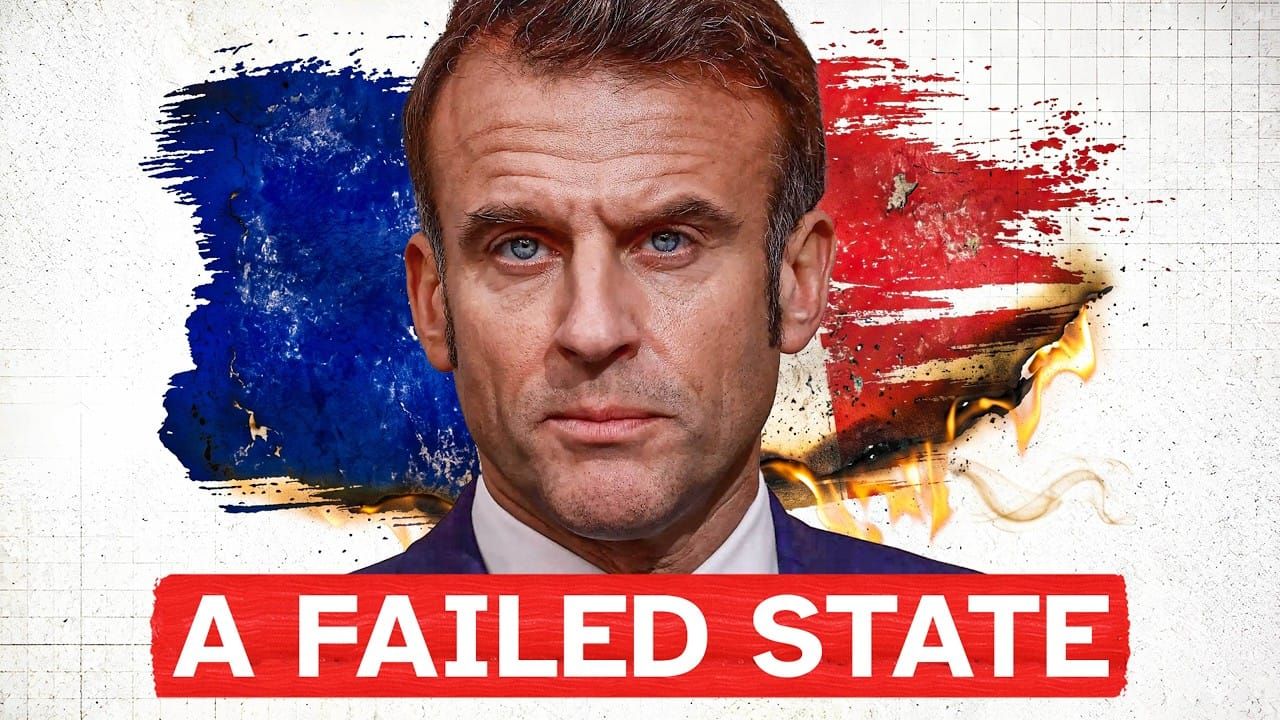
The visible crisis: fuel shortages
- Roughly one in six petrol stations in France has run out of some type of fuel (over one in four in some areas), with drivers relying on government price sites and crowdsourced shortage maps.
- The trigger: TotalEnergies capped prices at €1.99/litre for petrol and €2.25 for diesel across 3,300 stations; everywhere else prices kept rising, with diesel hitting a record national average of €2.41 and motorway stations near €2.80. Panic buying followed, and ~90% of the stations in shortage were Total's.
- On paper France has ~117 days of strategic reserves (above the EU's 90-day minimum), yet there is no rationing — just police tape across empty pumps.
- The state responded with meetings, not action: an 18 September crisis room gathering at the Élysée ("Vega"), then a €450 million package (expanded frequent-driver payment for ~5.5 million people, fishermen's rebate at the EU maximum, discounts for farmers and builders, emergency waivers).
- The accounting makes it worse: fuel consumption fell ~30% in 10 days, costing €47 million in lost fuel tax, on top of the €450 million payout — temporary workarounds rather than fixes.
The root cause: a broken Parliament (2024)
- In June 2024, Macron's centrists took ~15% in the European elections against 31.5% for Le Pen's National Rally; that night Macron dissolved the National Assembly — the first such dissolution since 1997.
- The snap election three weeks later produced a hung chamber: New Popular Front 180 seats, Macron's bloc 159, National Rally and allies 142 — 289 needed for a majority.
- Any two blocs can combine to bring a government down via a censure motion, but no two will govern together: "a parliament that nobody can govern and everybody can veto."
Four governments since September 2024
| Prime Minister | Outcome |
|---|---|
| Michel Barnier (Sept 2024) | Pushed budget through without a vote; censured in December 2024 with 331 votes (288 needed) — first government toppled by no-confidence since 1962. |
| François Bayrou | Staked everything on a €44 billion austerity plan, called a confidence vote on himself, and lost it 364–194 in September 2025 — the first government to fall that way under the Fifth Republic. |
| Sébastien Lecornu (first attempt) | Spent a month forming a cabinet, then resigned roughly 14 hours after naming it when coalition partners revolted — the shortest-lived government in Fifth Republic history. |
| Lecornu (reappointed 4 days later) | Survived to date, but at a price: he suspended the 2023 pension reform (retirement age 62 → 64) until after the 2027 presidential election, trading away Macron's signature second-term reform. He has since survived multiple censure attempts — over the EU's Mercosur deal, the budget (one within 19 votes of passing), and an energy decree. |
The deficit and the bond market
- France runs the largest budget deficit in the Eurozone: 5.1% of GDP for 2025 against the EU's 3% rule.
- Ten-year borrowing costs are at their highest since 2008; the spread over Germany has blown past 1 percentage point for the first time since the Eurozone debt crisis; France now pays more than Italy to borrow.
- The 2026 budget never won a vote — it passed via Article 49.3 (used by Lecornu in January for revenue, again for spending, adopted in February), the very tool that got Barnier censured 14 months earlier; the only difference was that the opposition couldn't agree on how to kill it.
- For 2027, Lecornu has put €54 billion of cuts on the table — €10 billion more than Bayrou's sacked austerity plan — with left and right already opposed.
Credit rating downgrades (2025)
- Fitch cut France from AA− to A+ in September 2025 (four days after Bayrou fell) — first loss of double-A in over a decade; S&P followed in October; Moody's kept its rating but shifted the outlook to negative, blaming political fragmentation blocking deficit cuts.
The street decides when Parliament can't
- Recurring unrest: Yellow Vests over fuel tax (2018, occupying roundabouts nationwide); months of strikes over pension reform in 2023, which Élisabeth Borne forced through using Article 49.3 23 times; farmer tractor convoys (2024); a "block everything" day of strikes in September 2025, two days after Bayrou's collapse.
- The pension fight shows protest works — with a two-year delay: the street lost in 2023, then won in 2025 when Lecornu suspended the reform to survive.
- Most serious recent case: riots and looting across the country after the fatal police shooting of 17-year-old Nahel Merzouk in Nanterre (summer 2023), with elite police deployed and neighbourhoods effectively beyond the state's reach.
- Current flare-ups: fishermen blockading the Fos-sur-Mer fuel depot near Marseille (France's largest, normally dispatching 900+ trucks a day) on 15 September, leaving 100–150 tankers stuck; former Yellow Vests marching on a prefecture on the 19th; and a national call for roundabout occupations in October that originated not from unions or figureheads but from AI-generated posters on TikTok shared tens of thousands of times — "a national protest organised by nobody in particular."
The courts as the final authority
- Nicolas Sarkozy, convicted of criminal conspiracy over illegal Libyan financing of his 2007 campaign, entered La Santé prison in Paris in September 2025 — the first former Fifth Republic president imprisoned — before being released under judicial supervision 20 days later pending appeal.
- Marine Le Pen, convicted of embezzling ~€3 million of European Parliament assistants' funds, saw the Paris Court of Appeal uphold the conviction but swap her prison term for electronic monitoring and cut her ban from office — just enough to let her stand. Her appeal to the Cour de cassation suspends the sentence; the court could rule by April 2027, with the presidential first round on 18 April — potentially weeks before the vote.
Conclusion
The video's verdict: France "no longer functions" — it "produces nothing but meetings, subsidies and censure motions", leaving the street and the courts to settle what happens next. Since September 2024 France has had four governments, lost its double-A rating, and seen a former president imprisoned. The host closes by asking viewers whether France has a broken political system, or a people who simply won't let anyone govern them.