Hoe word ik een leuk oud mens?
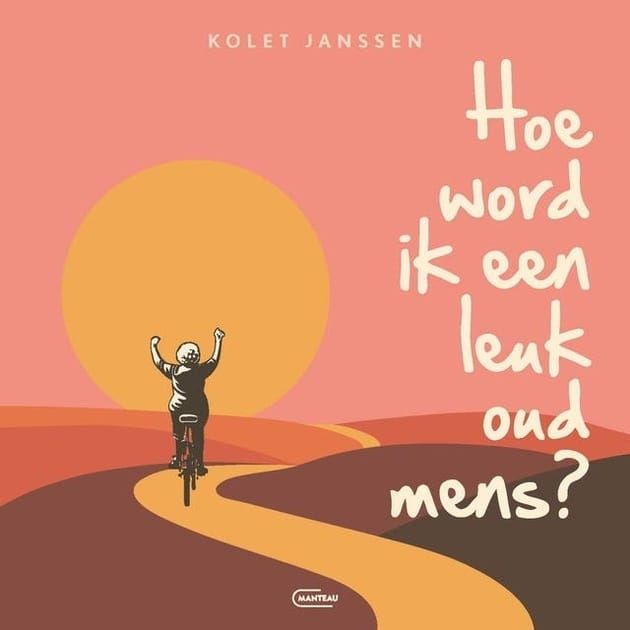
Growing old happens automatically — one day flows into the next, and before you know it, the years have piled up. But growing old pleasantly, being a "leuk oud mens" (a nice old person), is an entirely different matter. That is the central premise of Kolet Janssen's 2025 book, published by Manteau. Janssen, a 69-year-old Flemish author, former teacher, and mother of six, began grappling with these questions when she crossed sixty, and the book distills the insights she gathered along the way [1][2].
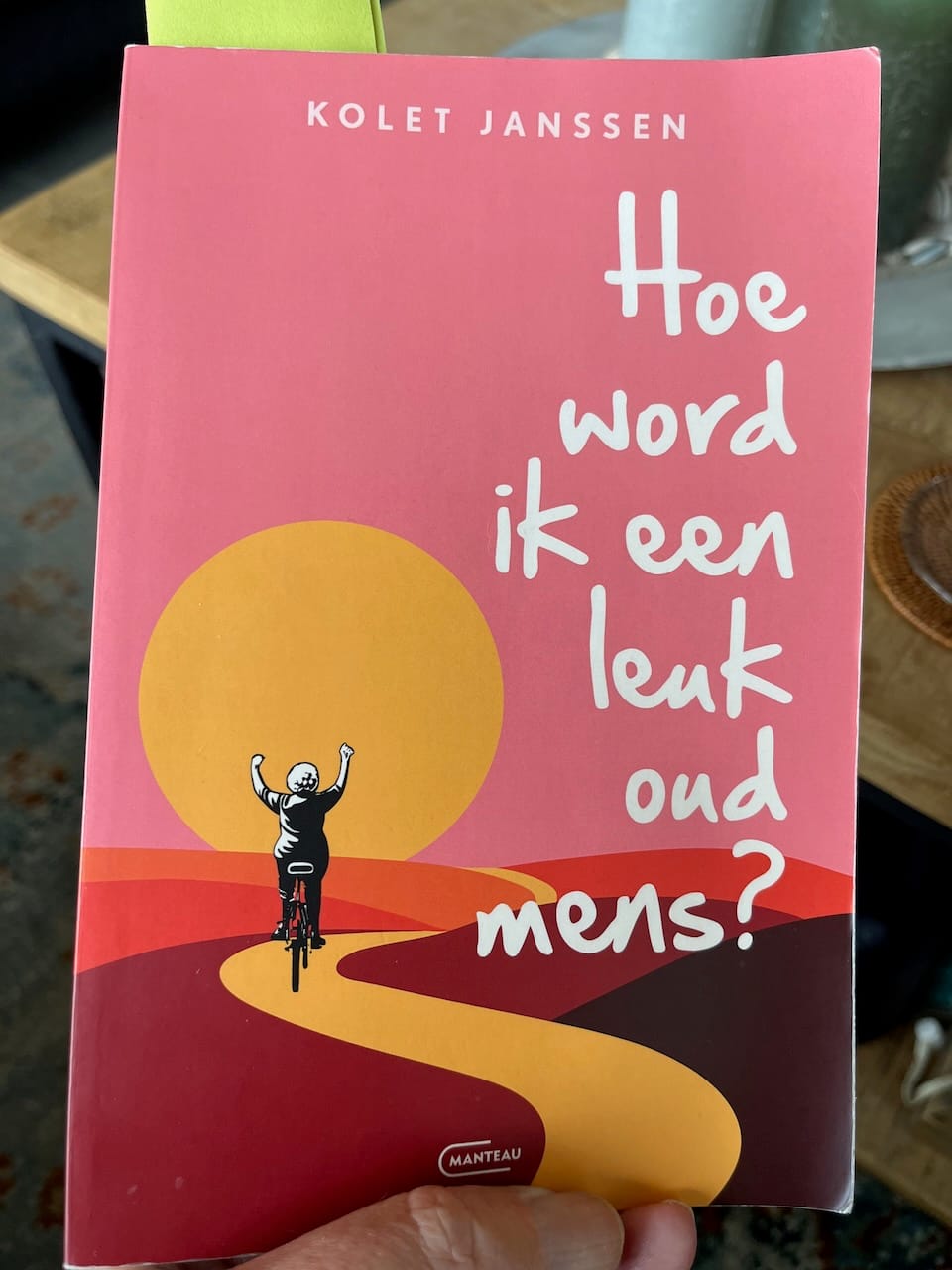
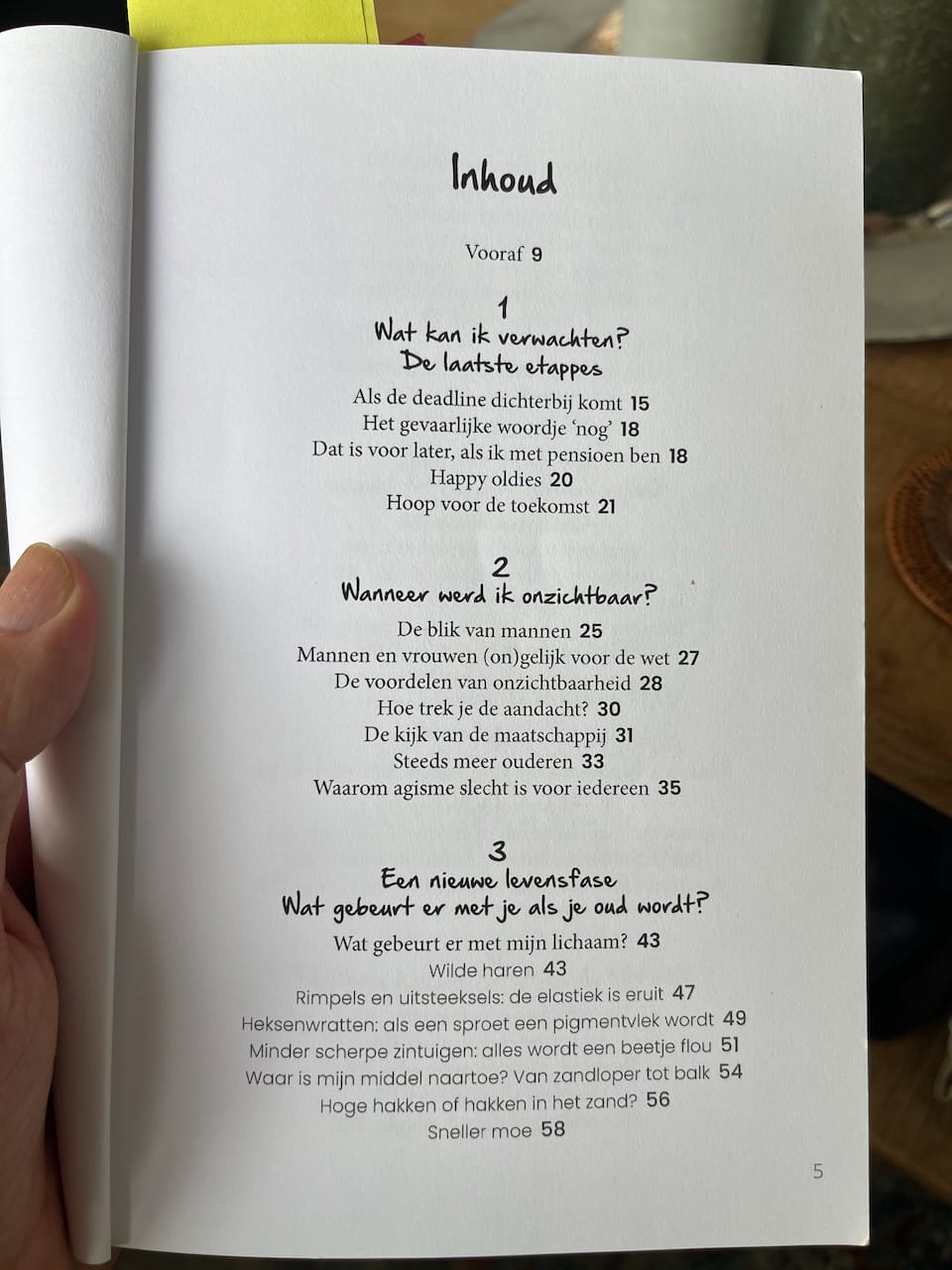
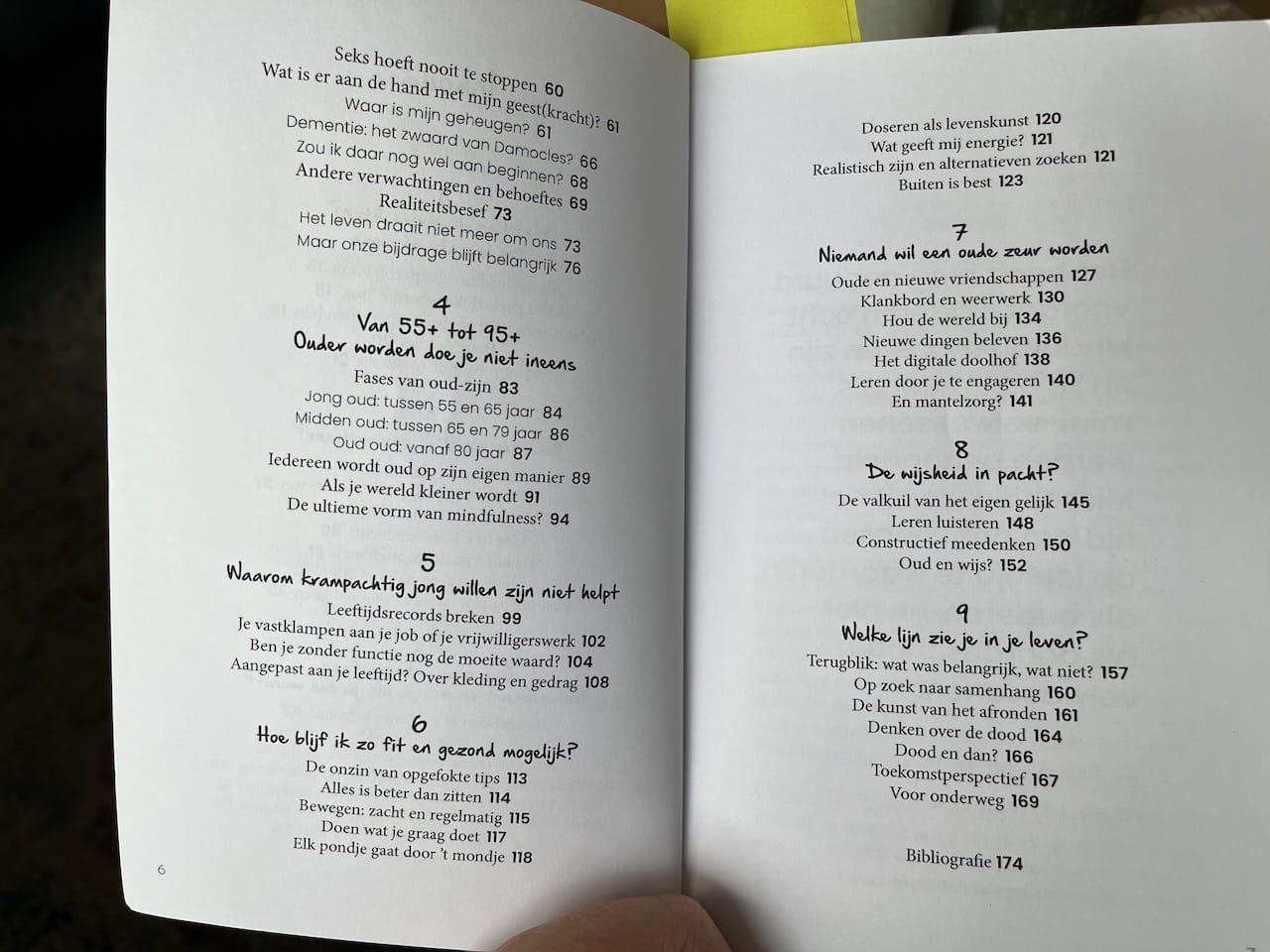
Click to see Cover and Table of Contents - click to see full size - Get your copy here
A Knife That Cuts Both Ways
Kolet's starting point is deliberately balanced. On one hand, she acknowledges that ageism — the negative stereotypes and prejudices based on someone's age — is a real and damaging problem. Older people frequently complain of being pushed aside, their expertise discarded like trash. They have a legitimate grievance. But on the other hand, she is honest enough to admit that older people are not always pleasant to listen to: there is a great deal of cliché-repeating and complaining. She calls this "een mes dat aan twee kanten snijdt" — a knife that cuts both ways. Only by acknowledging both sides, she argues, can we actually make progress [1:1].
Chapter-by-Chapter Themes
The book is structured around nine thematic chapters, each exploring a different facet of aging:
- What can I expect? The final stages — Janssen opens by confronting the reader with the reality that life is finite. A human life spans roughly 4,000 weeks, a calculation that suddenly makes the remaining time feel startlingly short. She asks readers to reflect on when they first realized they were growing older, what they would study if they were 18 again, and what they would do if they had only a week, a month, or a year left to live [1:2].
- When did I become invisible? — One of the most painful aspects of aging, particularly for women, is the gradual fading from public notice. Janssen explores this phenomenon — the first gray hairs, the slow drift into social invisibility — while also asking readers to consider moments when their age brought them more respect rather than less [1:3].
- A new life stage: What happens to you as you age? — Here Janssen addresses both physical and mental changes. She writes with humor about the body's transformations — the disappearing waistline (from "hourglass" to "beam"), the farewell to high heels, the reality of wrinkles. She cites Coco Chanel's dictum that "nobody is young after forty, but you can be irresistible at any age," and Luc Versteylen's observation that "when you laugh a lot, you get your wrinkles in the right places." She also tackles memory, dementia, and the shifting of expectations and needs over the decades [1:4].
- From 55+ to 95+: Aging doesn't happen all at once — Janssen distinguishes between different phases of old age, asking readers to identify where they currently sit and which phase they find most challenging. She explores how the very old gradually see their world shrink — and asks whether that is always a disadvantage [1:5].
- Why trying desperately to stay young doesn't help — A core argument of the book: the "always-young doctrine" is counterproductive. Janssen asks readers to catch themselves competing with younger people, to reflect on the difficulty of letting go of work or volunteer roles, and to consider whether clothing should adapt to age [1:6][2:1].
- How do I stay as fit and healthy as possible? — Practical advice on exercise, nutrition, social contact, going outdoors, and the art of "doseren" — pacing yourself and rationing your energy as a life skill [1:7].
- Nobody wants to become an old grumbler — Janssen examines friendships across generations, the importance of staying current with the news and digitally literate, the value of starting something new (a course, a hobby, a skill), and the challenges of being a caregiver (mantelzorger) as you yourself age [1:8].
- Holding the monopoly on wisdom — A critical chapter that challenges the assumption that age automatically brings wisdom. Janssen asks: Do you give advice easily, and is it appreciated? Can you truly listen, or are you too busy dispensing your own life experience? She warns that "oude drimmers" (old grumblers) absolutely exist, and that age alone does not confer insight [1:9].
- What line do you see in your life? — The final chapter invites readers to look back on their lives as a whole: the defining moments, the choices that set their direction, regrets, gratitude, pride, and the red thread running through it all. Janssen also confronts mortality directly, asking how often readers think about death, whether they fear it, and whether they believe happiness is possible even in very old age [1:10].
Tone and Approach
What sets Janssen's book apart, according to reviewer Lieve Van de Velde in De Standaard der Letteren, is its pragmatism. Among several books on aging published around the same time, Janssen's was the most concrete and unpretentious — you could distill practical lessons from it, much like the famous "Sunscreen song." Among her actionable tips: avoid the word "nog" ("still"), as in "you still look good" — it is an annoying age meter; patch things up where you can and accept what no longer works as well; try new things, because the boost that gives is irreplaceable; and do not assume you are wise simply because you are old [1:11].
The book is laced with humor and a sense of proportion, but also carries "de gepaste scherpte" — the appropriate sharpness. As Janssen puts it: "Only in that way can we carve wood, and that is what we want" [1:12].
Companion Workbook
Janssen also created a freely downloadable workbook with reflection questions and exercises for each chapter, designed for individual use or group discussion. It encourages readers to not merely read the book but to internalize it as a personal guide for this stage of life [3].
In Essence
Hoe word ik een leuk oud mens? is neither a lament about aging nor a naive celebration of it. It is a clear-eyed, warm, and frequently funny guide to navigating the final chapters of life with curiosity, grace, and self-awareness — while refusing to become the kind of older person everyone dreads listening to.
References