UK collapse seems imminent
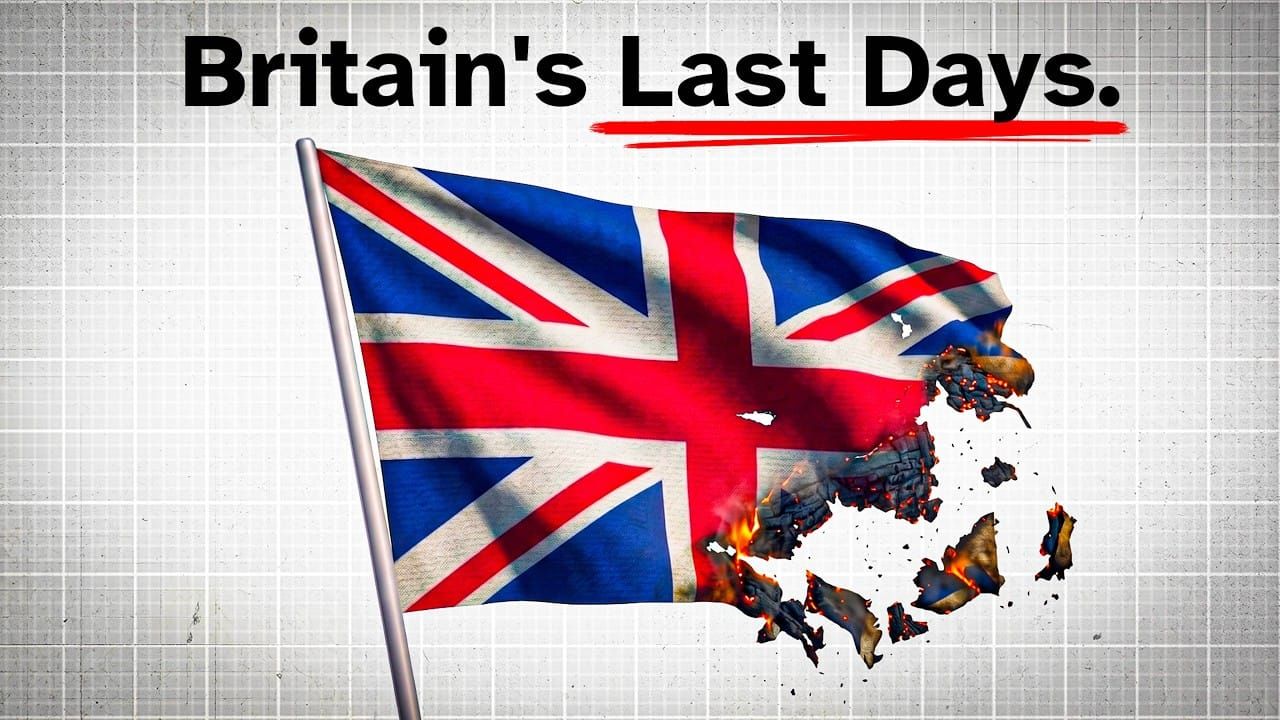
The video (presented by "Guy" for the Finance Bureau) argues that the United Kingdom is held together by an economic bargain that is weakening, and that nationalist movements in Scotland, Wales and Northern Ireland are now coordinating in a way Westminster struggles to counter.
Key events covered
- Four political leaders — John Swinney (Scotland's First Minister), Rhun ap Iorwerth (First Minister of Wales), Michelle O'Neill (First Minister of Northern Ireland) and Mary Lou McDonald (President of Sinn Féin) — signed a memorandum of understanding declaring: "Westminster's time is coming to an end."
- Swinney claimed Prime Minister Andy Burnham would go down in history as "the final prime minister of the United Kingdom."
- Burnham rejected a reunification referendum in Northern Ireland and a second Scottish independence referendum, though his office walked back an apparent softening of that position within hours.
The historical and constitutional background
- The video traces the union's formation: Wales and England united in the 16th century; the 1707 Act of Union created Great Britain; the 1800 union with Ireland created the UK of Great Britain and Ireland; the 1922 Irish Free State left Northern Ireland in the current UK.
- Brexit (2016) was the turning point: the UK voted Leave (51.9%–48.1%), but Scotland (62% Remain) and Northern Ireland (55.8% Remain) were taken out of the EU against their will, handing ammunition to independence movements.
The economic case for the union — and its erosion
| Indicator | Figure (as cited in video) |
|---|---|
| Block grants (2024–25) | ~£45bn Scotland; ~£20bn Wales; ~£18bn Northern Ireland |
| Public spending per head | Scotland ~£22.2k (vs UK £19.5k average, ~14% premium); Wales ~£15.6k (~12% above) |
| Scotland's notional deficit (2025–26) | ~£25.3bn, 10.9% of GDP (UK: 4.2%) |
| Northern Ireland | Public sector spending exceeds half of regional output |
| Welsh GDP per person | ~3/4 of UK average; still >£1,100 below pre-pandemic levels by 2024 |
| Welsh child poverty | ~32% (~210,000 children) — highest of the four nations |
- Westminster's traditional answer to independence was always: "leaving would make you poorer."
- Northern Ireland: the Irish Sea border post-Brexit means trade with Great Britain now has friction while trade with the Republic doesn't; north–south trade grew 5% year-on-year to €5.4bn in 2025, economically integrating the island while the constitutional link formally remained.
- Wales: Port Talbot's last blast furnace closed in September 2024 (2,800 redundancies); the £1.25bn electric arc furnace (with £500m UK government funding) won't run until late 2027. The Welsh argument has shifted from "we can't afford to leave" to "what exactly are we getting for staying?"
Recent political shifts
- Wales (May 2026): in the first election to the expanded 96-seat Senedd, Plaid Cymru won 43 seats, Reform UK 34, Welsh Labour just 9 — ending nearly a century of Labour dominance. Rhun ap Iorwerth became Wales's first pro-independence first minister, leading a minority government.
- Scotland: the SNP won a fifth consecutive term (58 of 129 seats); with the Greens, pro-independence MSPs total 73 — the largest such majority in the parliament's history. MSPs voted 72–55 to demand a Section 30 order for a new referendum; a draft referendum bill was published in August with the date left blank.
- Northern Ireland: Sinn Féin holds the First Minister's office and is pushing for a unity referendum by 2030.
Caveats and macro context
- The pact is not legally binding; 2014's Scottish referendum saw 55% vote to stay; Welsh and Northern Irish independence/reunification support remains short of majorities, though demographics may shift NI's.
- UK GDP grew 1.6% year-on-year in July; inflation 3.1% in August; unemployment 4.9%; sterling down ~1.8% against the dollar over the year.
The video's central argument
The presenter points to all-island Irish trade as the precedent: cross-border trade grew from ~€2bn in 1998 to ~€17bn today — nearly an eightfold increase without a single vote. His conclusion: the nations don't need to win referendums for the union to weaken; economic integration and "decisions made closer to home" can hollow out the UK gradually, meaning "the breakup may begin long before any referendum."