248 - Trip to Sai Kung


🇭🇰 This week, V and I headed up to Sai Kung for a bit. It's good to break pattern from time to time - if you know, you know (IYKYK)! Sai Kung is a seaside town on the eastern edge of Hong Kong's New Territories, and the gateway to some of the territory's best scenery - often called the "back garden of Hong Kong".
The waterfront promenade, known as Seafood Street, is lined with restaurants where you pick fish and shellfish straight from outdoor tanks, while floating vendors sell the day's catch off the pier.
There are lots of hiking trails around and you can do many trips to the nearby islands and also the Geopark. If you know the Giants Causeway, Geopark is similar but a hundred times bigger!
Apart from that we fitted in our usual activities, including Happy Valley on Wednesday evening, island hopping and lunch at the Windsurfing Club. The weather is cooling down now, although it will still be very pleasant until Christmas.
Book of the week
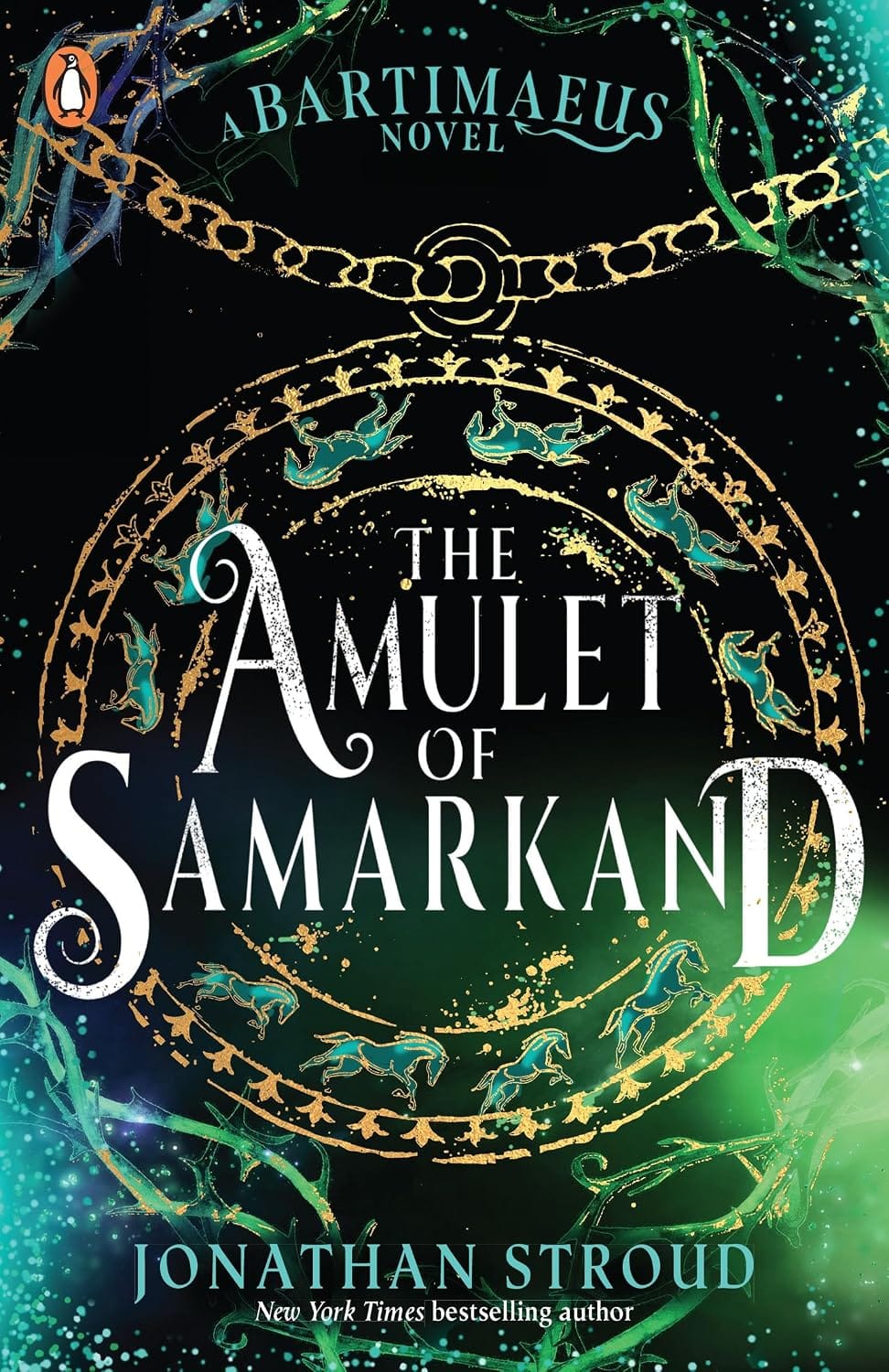
In another break of pattern this week, I am sharing with you a great book that I am reading - The Amulet of Samarkand. If you enjoyed Harry Potter or Terry Pratchett's books, you will enjoy this. I am enjoying reading it, especially thanks to the Kobalt reader that I am using on my Kobo. Details of that are in the Project Updates section.
Nathaniel is a boy raised in an alternate London where magicians rule the British Empire and commoners are governed by them. Bought as an infant and apprenticed to Arthur Underwood, a middling government magician who regards him as an inconvenience, he grows up starved of affection and respect - the only warmth in his life coming from Underwood's wife, Martha.
 Roger Price
Click for full plot summary with spoilers
At a gathering of the powerful, a charismatic senior magician named Simon Lovelace humiliates the boy in front of his master and peers, and Underwood does nothing to defend him. Humiliated, Nathaniel turns to secret study, teaching himself the summoning arts in defiance of every rule of his apprenticeship. On his twelfth birthday he does something no apprentice should dare: he conjures Bartimaeus, a five-thousand-year-old djinni of enormous power and even larger vanity, and binds him to his service.
What Nathaniel wants is the Amulet of Samarkand, a stolen artifact now in Lovelace's hands - and Bartimaeus is the one who has to fetch it. So begins an uneasy partnership between a proud, lonely boy and a spirit who resents every minute of it, played out across a London of magical wards, spies, rival ministers and a growing conspiracy aimed at the government itself. Nathaniel's private act of revenge keeps escalating into something far larger than he intended.
More in this issue
- Photo memories - Hiking and Sai Kung this week
- Project Updates - Monetary Metals. Kobalt and Omarchy
- Plenty of useful links - don't say nobody told you!
- Closing out - What Archaix demonstrates and 64 tenets









Hiking and Sai Kung this week
🛠️ Project Updates
With our Sai Kung trip I had less time for hands-on project work so these are updates from projects that I am using and supporting. What are you doing?
Even better
Nico is continuing to update Kobalt reader for Kobo. It is my app of choice and the one that I have been using to read The Amulet of Samarkand. If you are still stuck on Amazon's Kindle, you are missing out on many fronts - you might want to look into Kobo with Kobalt.
Monetary Metals - you need to know
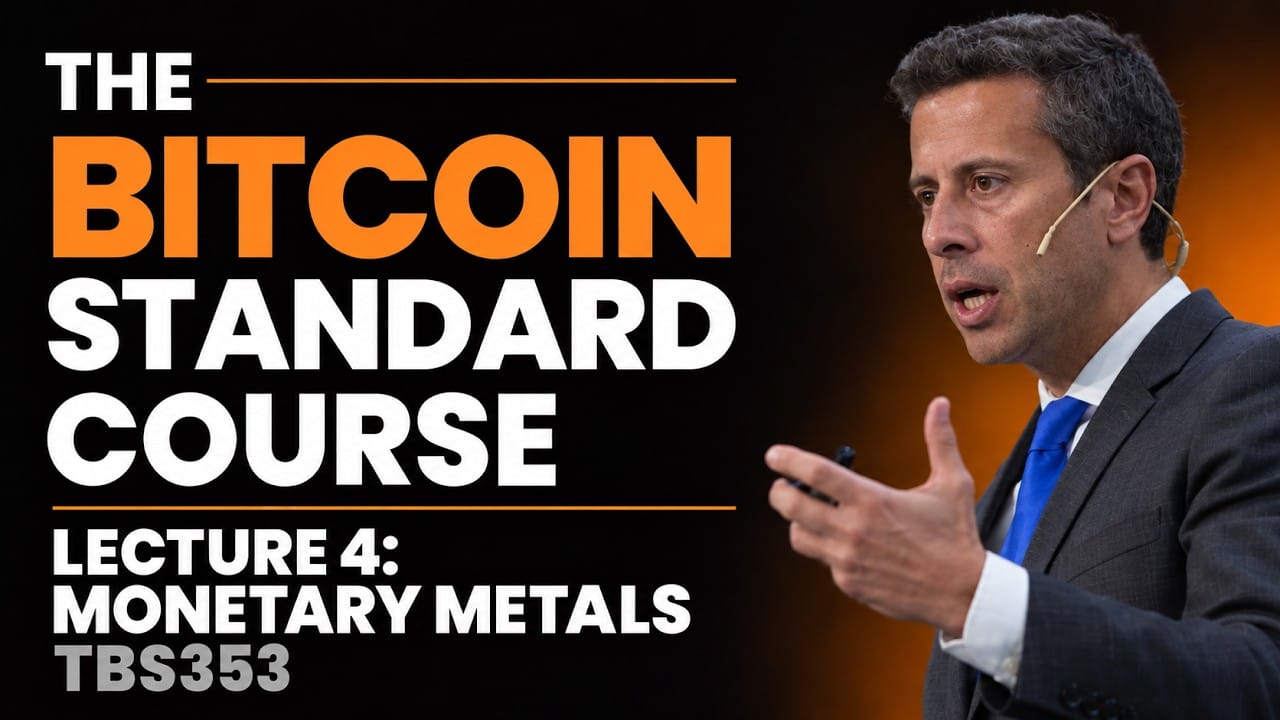
Monetary Metals served as the foundation of global trade for centuries due to their unique properties of high value density, durability, and scarcity. Gold emerged as the superior choice for long-term value storage, while silver and copper facilitated smaller, everyday transactions.
In this lecture, Saifedean talks you through how and why this worked and why it eventually broke down and was replaced. You will also understand why Gold and Silver did not work equally well and how Isaac Newton's undervaluing silver in 1717, in effect, put Britain on the gold-standard, allowing Britons holding gold to grow richer while silver-standard countries grew poorer.
 Roger Price
- The 'easy money trap' explains why consumable goods like copper fail as money: if monetary demand raises their price, increased production floods the market and causes the price to crash.
- Gold maintains its value because it has the lowest price elasticity of supply, with a global stockpile accumulated over thousands of years that grows by only 1.5% to 2% annually.
- The 19th-century gold standard, facilitated by technologies like the telegraph and railways, created a global era of economic prosperity.
- The fatal flaw of the historical gold standard was its centralization in bank vaults (due to difficulty in taking custody and transacting over distance) , which allowed governments to issue gold-backed paper money that eventually decoupled from the underlying metal, leading to the era of fiat currency.
Once you understand this, you will understand why and how bitcoin is superior to gold in many important ways. Not only is it a globally scarce bearer asset, but it can be easily transferred between parties in trade without third party involvement and it avoids centralisation through self custody, which anyone can do.
Linux explained
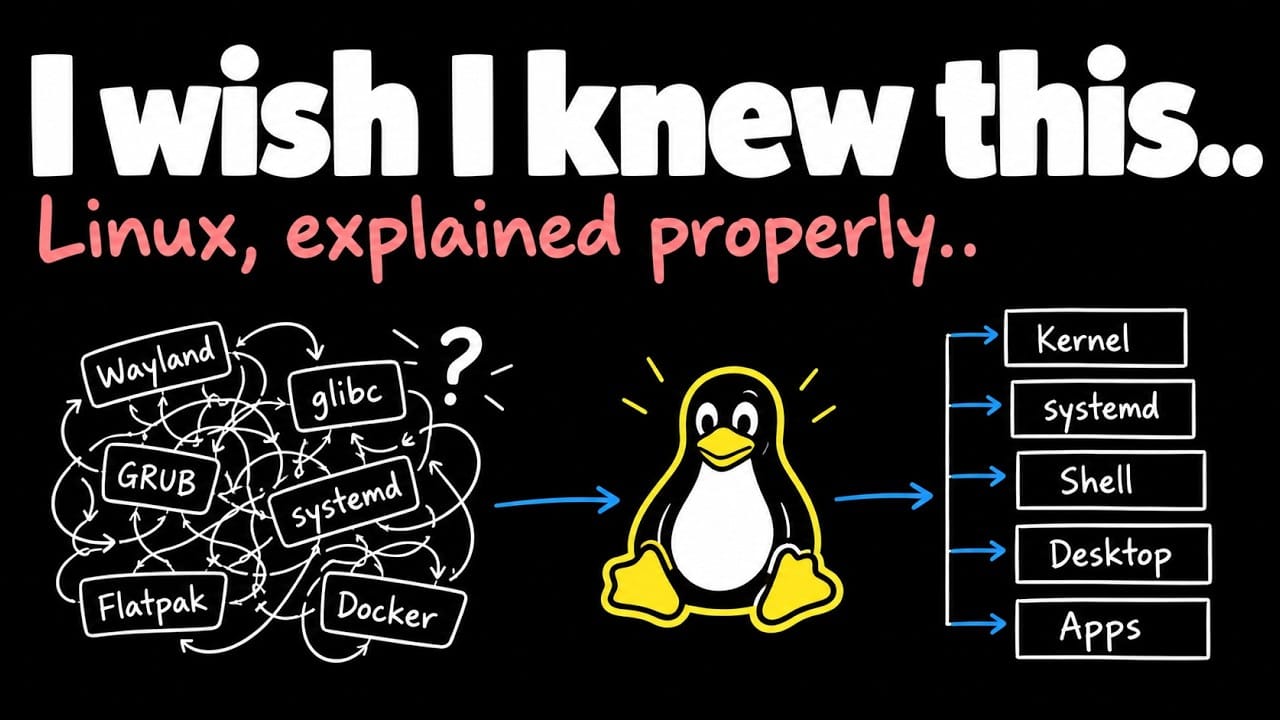
From time to time I come across good explanations of important topics. This video is one such example. You can use Linux without knowing all these things but knowing them really does complete the experience and you will find it useful as you go further on your journey.
 Roger Price
Click for notes and to listen to the explainer
Understand why Omarchy will win
DHH argues macOS and Windows are structurally unfit for the agent era: their GUI-centric settings and locked-down filesystems resist programmatic control, while Linux's text-file configuration is exactly what agents need. Hence Omarchy, his Linux distribution, whose agent-first "Quattro" release he says drew hundreds of thousands of users — and whose recent development he claims was written entirely by agents, albeit under his editorial direction.
 Roger Price
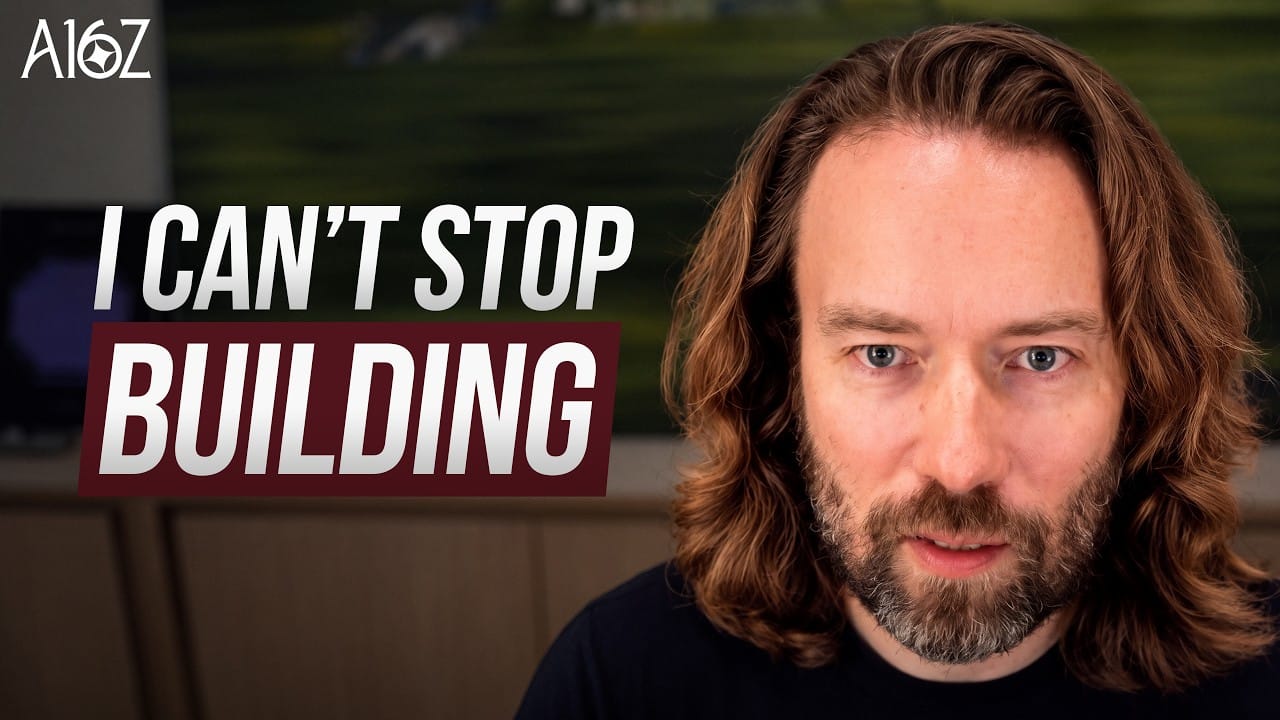
- Omarchy is built entirely by agents, with DHH writing hundreds of thousands of lines of code using AI instead of manual programming
- The traditional software lock-in argument is dissolving as agents replace the need for specialized applications like Adobe Photoshop or Microsoft Word.
- DHH believes that the barrier to entry for new software ecosystems has collapsed due to the rapid advancement of token speeds and the availability of powerful open-weight models.
- He views open-weight AI models as essential for maintaining market competition and preventing the dominance of closed-source labs like OpenAI, xAI, and Google.
- The ambition for Omarchy is to surpass macOS in user base within three years by fostering an 'anti-LinkedIn' hacker culture reminiscent of the 1990s demo scene.
🔗 Links for your edification
The following are links from my RSS feeds. The news has been dominated with the NVIDIA/Jensen theatre. Needless to say, this is all orchestrated and intended to distract and confuse you. The links below may help you to see more clearly what the Empire distracts you from and does not want you to see.
Liz says it like it is
Liz Truss was Prime Minister of the United Kingdom, and she says she found out the hard way that holding the office did not mean holding power. Her book, Bank Job, is her account of how the Bank of England broke the UK bond market in September 2022 and brought down her government the following month.
 Roger Price
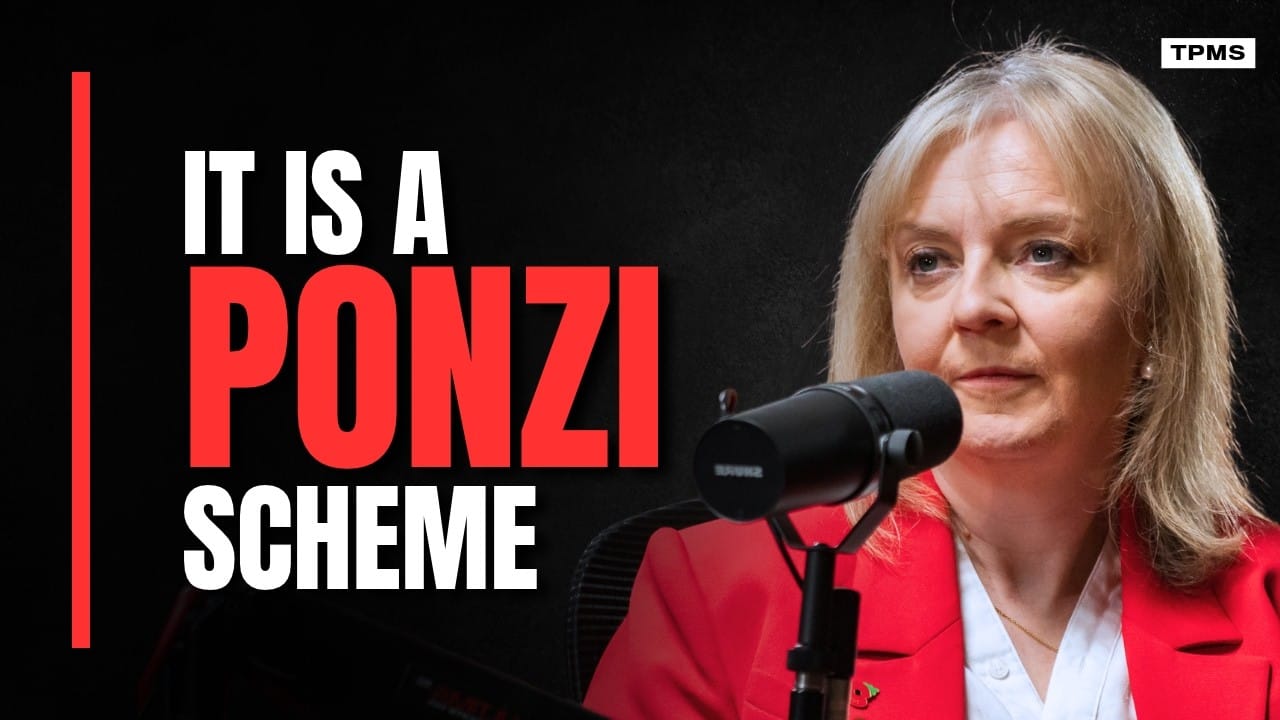
Click for the interview with supporting notes and summary
In this discussion Peter and Liz go through why she thinks Britain is run by people nobody voted for: a Bank of England governor who effectively cannot be sacked, a Treasury and OBR that only ever look five years ahead, a Keynesian consensus with almost no monetarists left to challenge it and ministers who mostly do not understand the advice they are given.
This is a good moment to remind you of Anatomy Of the State - do check it out - headlines below:
- The State is defined as the organization that maintains a monopoly on the use of force within a specific territory.
- Unlike other entities, the State acquires revenue through coercion rather than voluntary contributions or service payments.
- The State acts as a system for the predation of private property, established through conquest and exploitation rather than a social contract.
- To maintain power, the ruling group must secure the ideological support or passive resignation of the majority of citizens.
- The State seeks to make its rule appear inevitable to ensure that any public dislike is met with resignation rather than resistance.
Straight from the heart
George Gammon reacts to the reinstatement of Jensen (Huang, Nvidia's CEO) after his dismissal, framing the episode not as a win for shareholders but as a double indictment: of the US political system (a merger of state and corporate power, which is defined as fascism) and of the US stock market and economy (a Ponzi-scheme dependent on circular financing).

You are looking at organised crime in action. This is fascism happening in front of your eyes with the merge of Government and Corporations. The entire US stock market and economy is now visibly a Ponzi scheme and you know how that will end...sooner or later. Watch this interesting follow-up clip.
 Roger Price

The entire system is a Ponzi scheme - the evidence is in your face
🤔 Closing Thoughts
Some of you were intrigued by Jason's presentation last week. That is just the tip of the iceberg of his work. If you want an overview of all the topics that Jason covers in Archaix and what is his position on various topics, I recommend these two explainers to get you going: in the first you will get the Big Picture - the key concepts you need to know and understand; in the second he lists 64 topics on which many have sought his position. Now you know!
 Roger Price

Click here for the Big Picture
Click below for a comprehensive list of topics and Jason will talk you through it.
 Roger Price
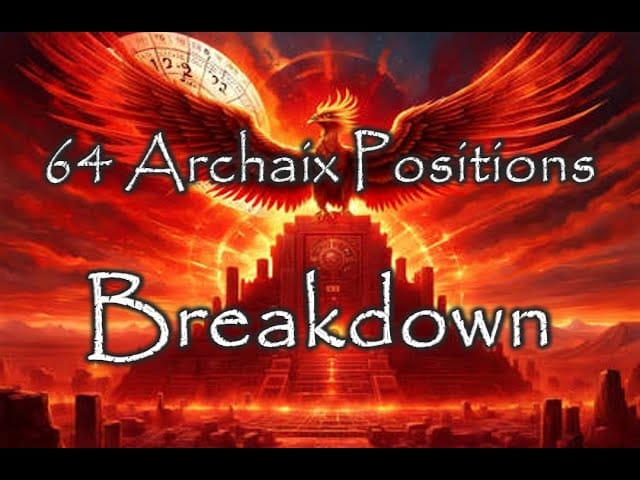
Click for the list - Jason will talk you through all 64 tenets
I also recommend Jason's book "Awaken the Immortal within". As he explains, this is intended to be a book that you read in one sitting. In case you find that too challenging, listen here as Michael Antonakos reads it to you. You have no excuse!
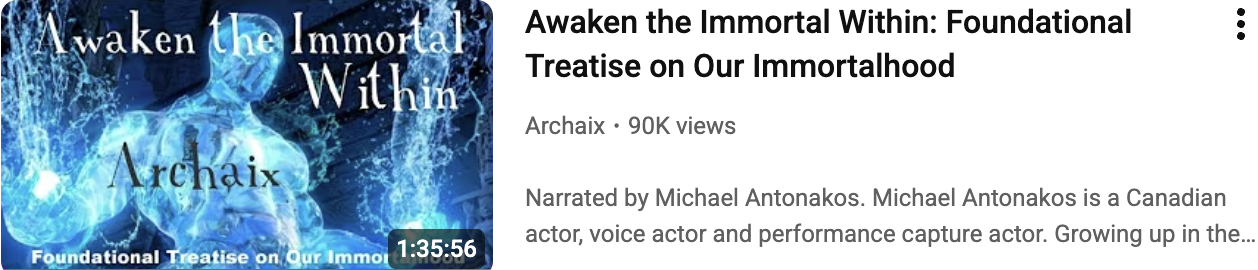
If you enjoyed all this you can go back and watch Jason discuss all his books as well as his unpublished books - they are also now available as PDF.
❤️ Enjoy this newsletter?
Forward to a friend and let them know where they can subscribe
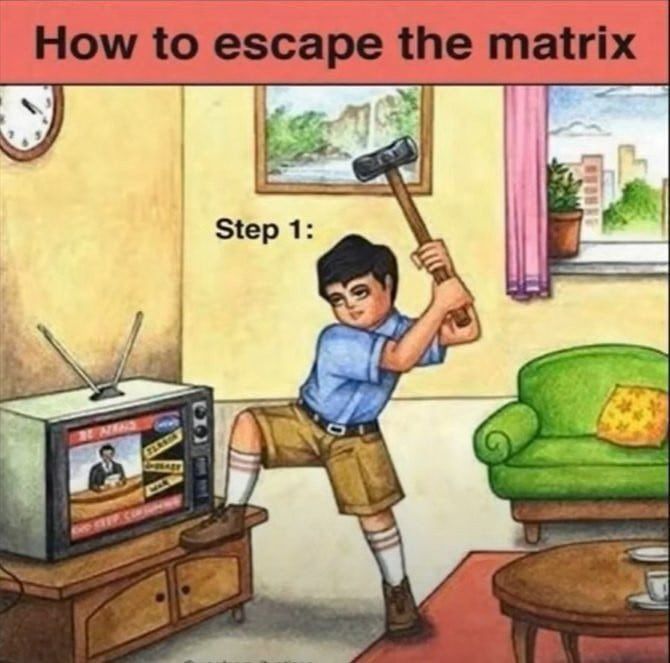
No one can be told what The Matrix is. You have to see it for yourself.
- Morpheus to Neo in The Matrix
Any questions or anything else? Feel free to comment below!
You can also email me at: LetterFrom@rogerprice.me
- The Architect
💡Enjoy the newsletters in your own language: Spanish, Dutch, French, Italian, German, Serbian, Croatian, Chinese Traditional & Simplified, Burmese, Irish (Gaelic), Russian and Thai