234 - Back in Belgium


🇬🇧 🇧🇪 We have finished up our trip to Belfast. During the week we travelled over to Belgium and are currently at the Belgian coast, visiting V's family. Next week we will make a trip to Antwerp for a few days. As always, let me know if you want to meet up.
The summer this year in Belfast was rather good. Unlike the rest of Europe that seemed to bake in high temperatures we had generally warm and sunny weather. It was really rather pleasant - the way that I remember summers being when I was a child.
For our last week, the weather was back to the usual cool, cloudy, gray and rainy weather that seems much more common recently. Even so we made the most of our time here, meeting up with as many friends as possible and spending quality time with family.
Interview and book of the week
Thanks to one of my subscribers who suggested this podcast. It was indeed a most enjoyable listen as I walked along the Lagan. I had not heard of Curt or Becca before - Curt is an excellent interviewer. He clearly researches and prepares his interviews thoroughly. Listen and enjoy. He has many other interviews that look similarly interesting.


Listen to this above on Apple Podcast or here on Spotify
As I listened to the interview I realised that I had not yet read any of Tolkien's books. The recommended starting point is The Hobbit - so I have been reading it. I have to say that, despite all the hype (and the movie was quite good), the book does not quite live up to expectations for me. Especially in the middle, the stories seem a bit "variations on a theme". Also, the famous Gollum scene was much better done in the movie with Gollum/Smeagol getting a much more vivid personality.
 Roger Price
Click for overview and Chapter by Chapter summary
Have you read this or Lord of the Rings? What is your impression? Let me know.
More in this issue
- Photo memories - around Belfast this week
- Project Updates - Expanding Obsidian, Linux desktop and server
- Plenty of useful links - don't say nobody told you!
- Closing out - How far out do you think?





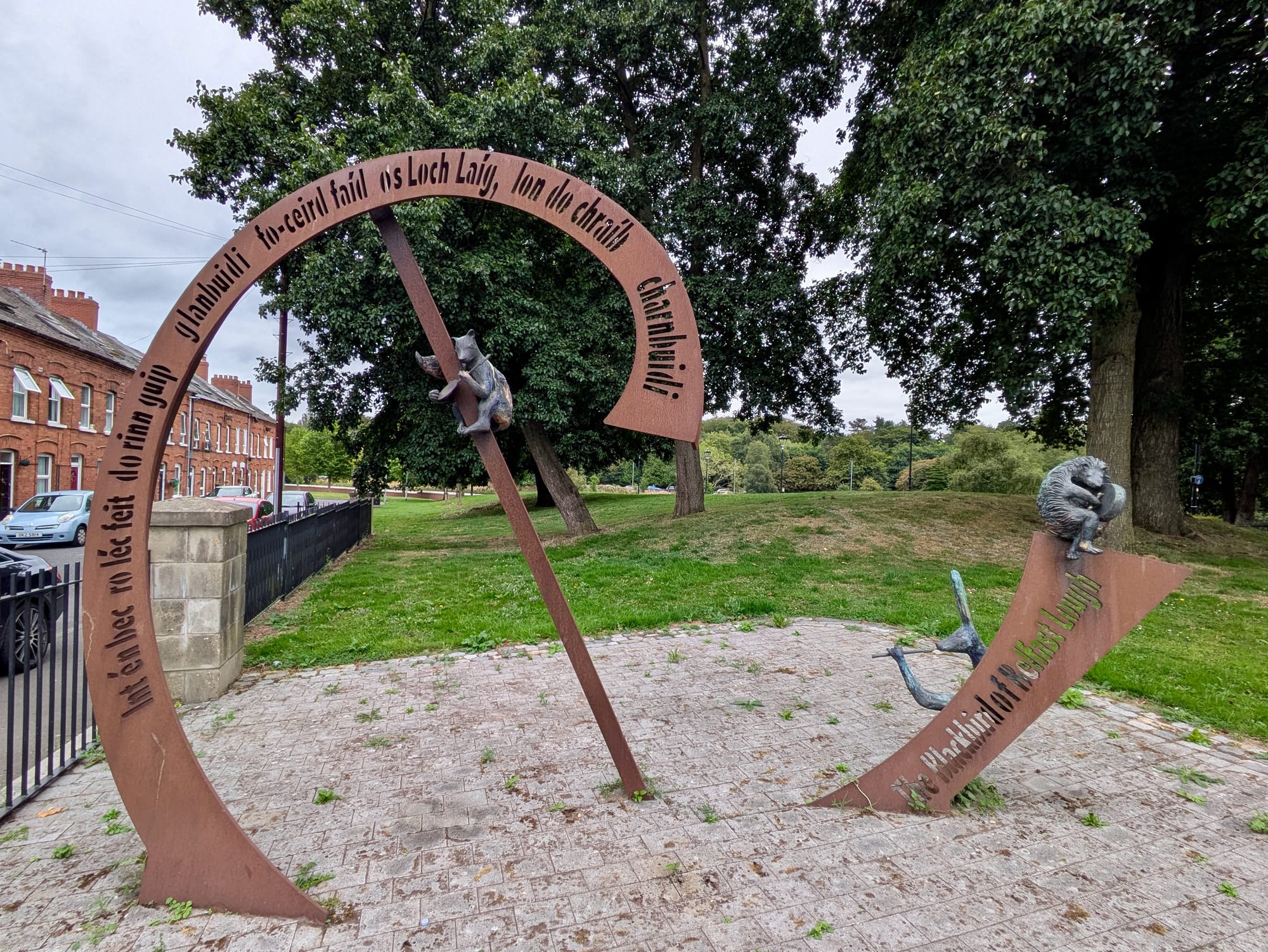



A last round of photos from Belfast this week
🛠️ Project Updates
This week I am sharing some hands-on updates from what I have been doing with open-weight LLMs and using them to dig deeper into all sorts of knowledge sources. Also, I included some practical guidance for those wanting to join in. What are you doing?
Obsidian - it keeps getting better
Recently I have been doing more with Obsidian. This is a fantastic note-taking software that runs on Mac, Linux, iOS and Android. While the app is not open source, your data is stored entirely in markdown (.md) text files so you have no proprietary lock-in and you can process your data freely with all tools at your disposal. The company also actively encourages the community to develop extensions and plug-ins that are freely available and add all sorts of useful features.
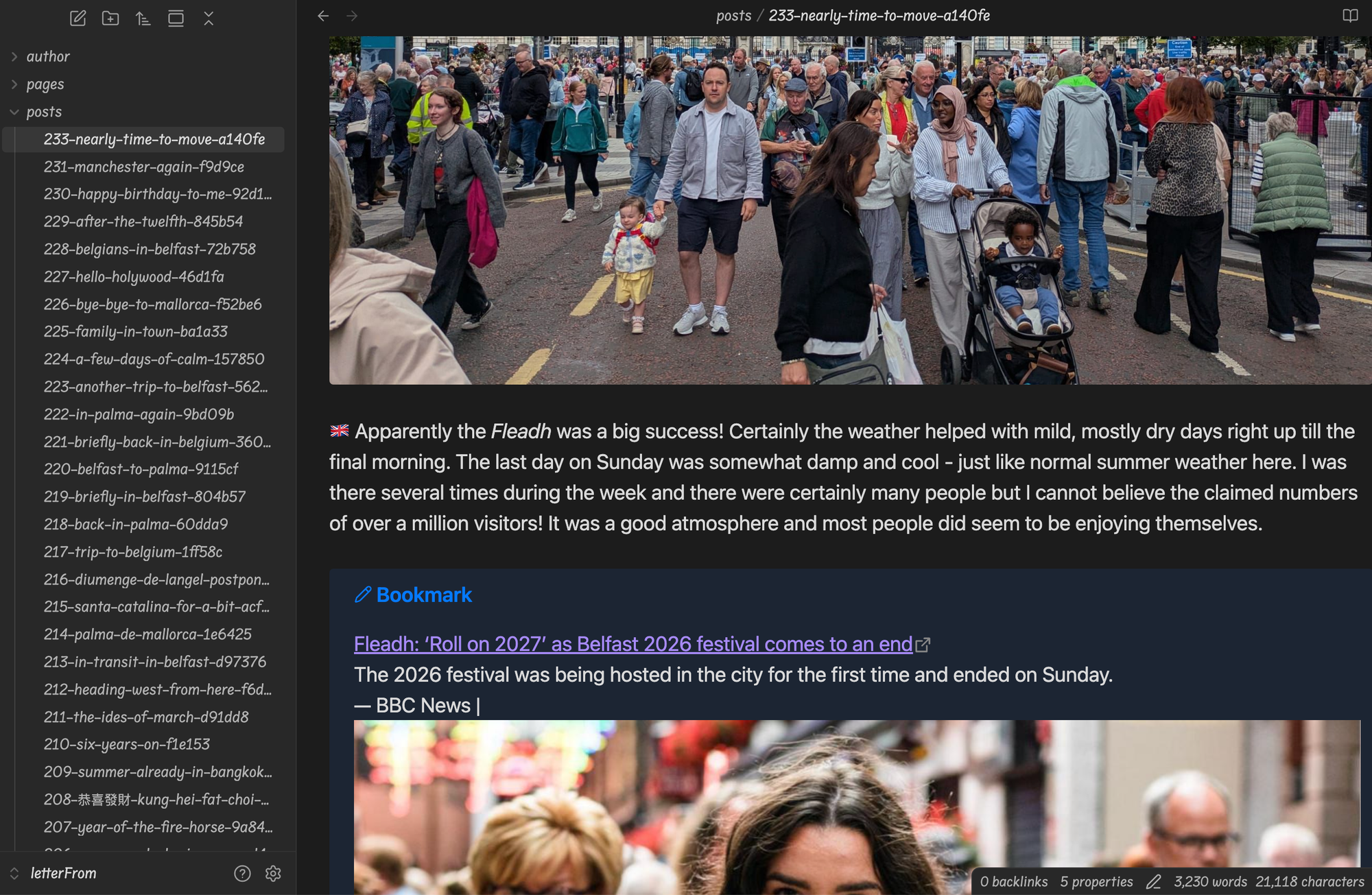
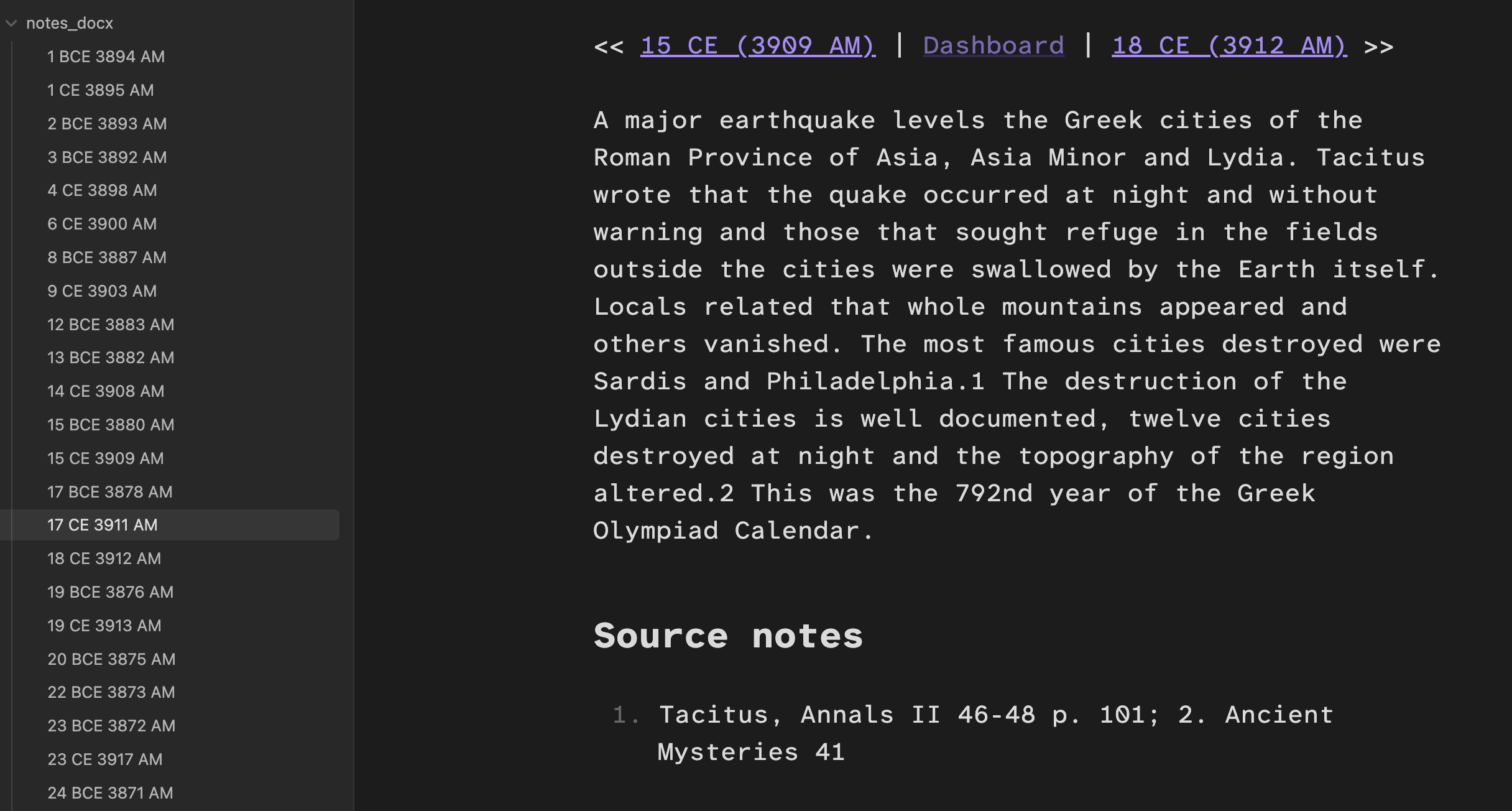
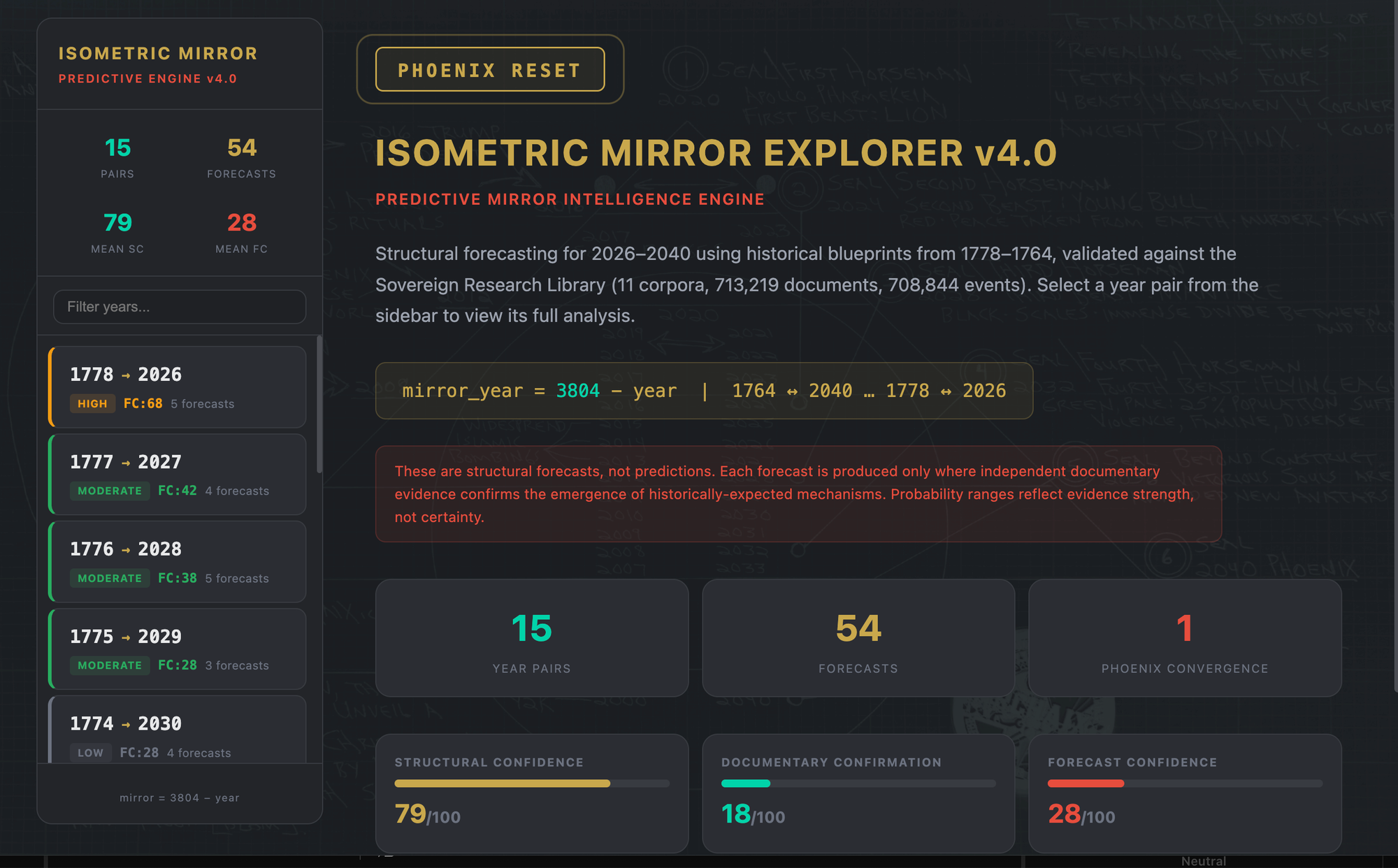
Just a few examples of what is possible - click for full size images
Letter from around the world
First project was to make an Obsidian vault containing all of my newsletters. This serves as a backup (I now have it under git too) and it is fully searchable using all Linux tooling. Of course I use Syncthing to have it available on other machines where I need it and to ensure offsite backup. I also have a one-line script to run each week to update the vault with the latest newsletter.
I went further and installed Ollama. This is an open-source software platform and runtime designed for downloading, running and managing large language models (LLMs) locally on your own hardware. Ollama is not an AI model itself, but rather the management layer and runtime that allows you to execute various open-weight models .
I have been experimenting with some of the open-weight models that you can run locally to index and query my newsletters. Fascinating results so far. Given that the newsletters are public, a next stage will be to experiment with some of the larger models using nano-gpt.
Chronicon
The second idea that I had was to take my copy of Jason's Chronicon and put that into an Obsidian vault. I now have a year-by-year history of the world with all of Jason source notes and his dating calculations fully available locally. This too is now also searchable with my local AI that I am running.
A next step for this will likely be to also incorporate James Ussher's "The Annals of the World" into the vault and then to get AI to look for interesting correlations, corroborations and contradictions.
Collaborating too
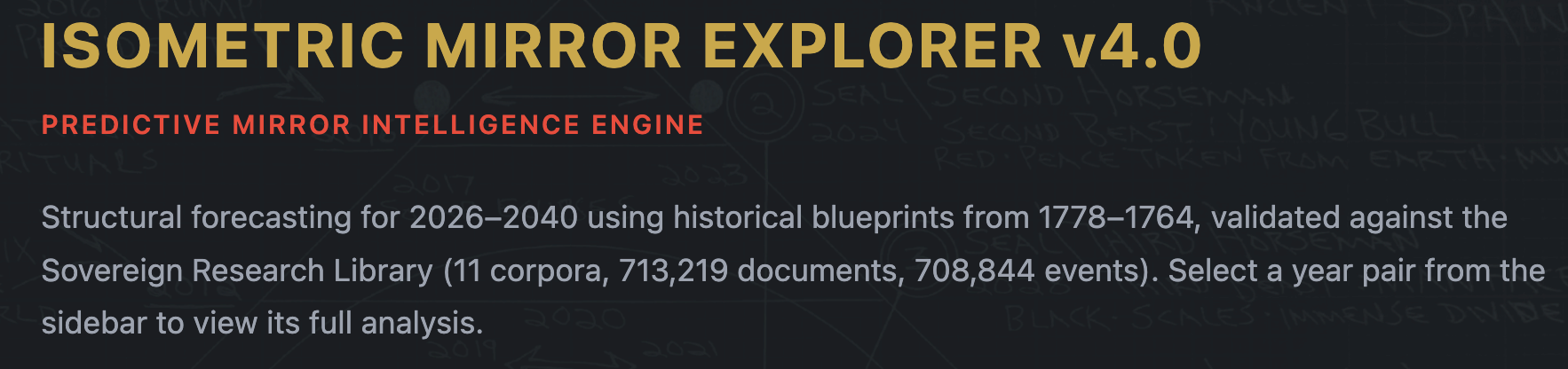
I have discovered that there are quite a few others who are doing their own research on Chronicon and the Isometric projections that Jason has discovered. They are also using AI tools and collaborative development. One such example is here below - well worth exploring.
All of the above are examples of the wonders that emerge when people collaborate using Open Source technology. It should be clear to you by now that this is a skill and ability that you, and others, should retain and grow. Big Tech and The Empire wants to keep everyone "dumbed down" and boxed into their "walled gardens". Opt out. Open source computing and open source money are essential parts of the way forward.
Linux - it is so easy to get started
For those of you who are still only thinking about getting your first Linux computer, here is good step-by-step guide on how to find it and get going with it. It really is that simple. You do not need to move everything over at one. Start with a browser on it and use that for a few days or weeks until you feel comfortable.

Once you feel ready to go beyond the browser stage there is a fairly well-trodden path with excellent apps that will do pretty much everything most people need from a computer. Check out this next one
 Roger Price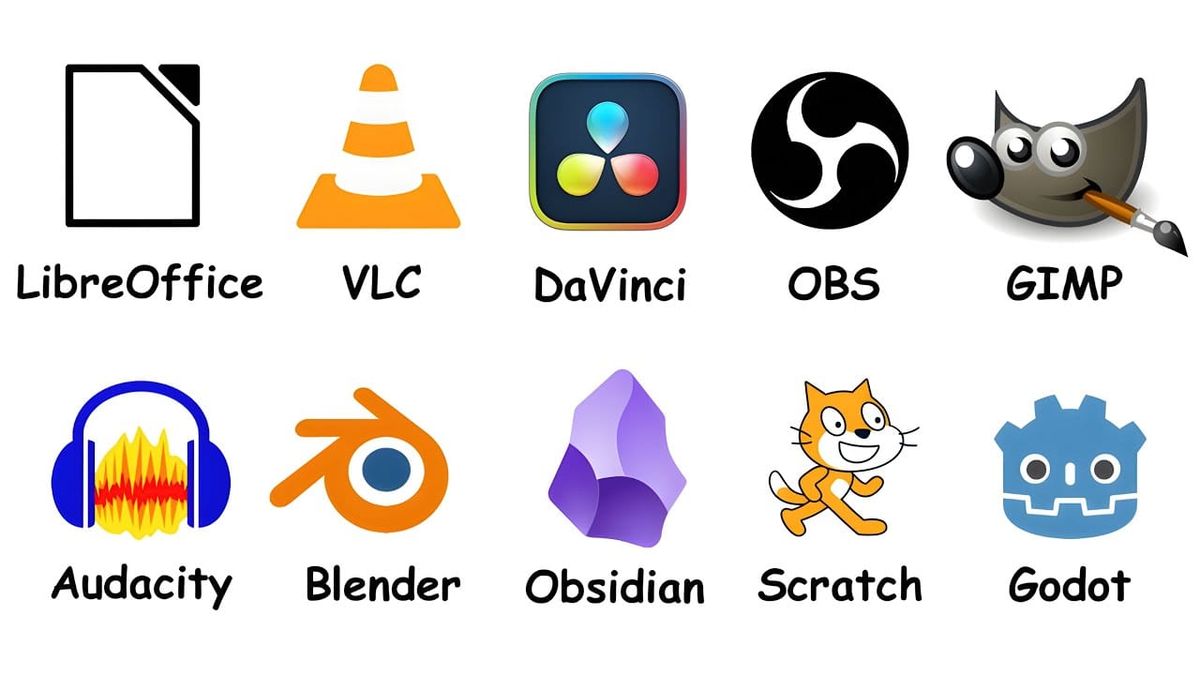
These apps do most of what you need and they are free
Exiting Big Tech more generally
We have discussed many times about how you really should reduce and eliminate Big Tech subscriptions. The best way to do this is to self-host services that can replace the subscription services that you use. Big Tech subscriptions are designed to lock you in to their walled gardens and they will continue to suck out ever increasing subscription fees while making it difficult to leave.
SAC reflects on over a year of running her own servers and she does have some rather good tips to keep in mind as you plan out what you will host yourself.

- host things you use daily - this will give immediate and ongoing value
- write down config and passwords
- have backups that work (tested with documentation)
It's true, it's too easy to get sucked into trying all sorts of things at once rather than focusing on getting your first service working properly with good backup and then expanding. Also, if you do not write down all the configuration details you will find yourself stuck in a few months when you want to change or update it!
Remember the 3-2-1 backup rule. Have at least three backups using two different media with at least one of them stored offsite. All of them should be tested - otherwise you can consider them as null and void!
🔗 Links for your edification
The following are links from my Liferea RSS feeds - learn, enjoy and share.
Better search engines
Hopefully you are aware of how bad Google search has become. It is packed full of advertisements and big-tech-prioritised content to mislead the masses in particular directions and to suppress information that the Empire does not want to you know.
There are lots of good alternatives. Here are 8 that I can recommend:
 Roger Price
Click to learn more about these useful search engines
There is yet a ninth one. I have long been using and recommending Kagi.com. It has many useful features, similar to those above and they have built out an superb ecosystem of related tools, including thoughtful incorporation of AI into tools that can support your searching. Read more in their Blog here below:
 VP
VP
Click to know more about all the excellent tools and developments
Post intelligence era has arrived
Another prescient observation from TechLead. He argues quite convincingly that Gen Z is entering a post-intelligence era defined by cognitive decline, the commoditization of intelligence via AI and a shift in social priorities toward looks and aura.
 Roger Price
Click for summary and to listen to TechLead explain
I tend to agree with him that this transition is a rational response to structural wealth inequality and the obsolescence of traditional academic success. This is how the Empire collapse is playing out. Be in no doubt that this has been planned and orchestrated this way.
You do not hate Big Tech enough
AI companies like Anthropic are conducting industrial-scale destruction of millions of physical books to obtain training data for their models. This controversial practice involves working with brokers like ISBNDB to procure and shred rare texts while keeping the scanned content strictly behind corporate paywalls.
 Roger Price
Click to summary and to listen to Daniel explain
Sadly, this has been declared Legal by US courts and it is being used as a workaround to avoid Copyright claims! You do not hate these companies enough.
Thanks to one of my subscribers who also pointed out this Blog post. TLDR: AI companies are secretly buying, scanning, and destroying millions of physical books to train their models, permanently locking human knowledge inside private corporate servers.

Click to read and then get involved to do something usefulJ
Anna’s Archive is urgently calling on volunteers worldwide to scan and upload books before this cultural heritage disappears forever. You are invited to provide your own scanned books and documents.
🤔 Closing Thoughts
This one might be a step too far for some of you now. Bookmark it and you can come back to it when you are ready. I love that James does interviews like this. He is clearly enjoying the journey. Jamie, likewise, enjoys what he does and explains his viewpoints very clearly with plentiful linked evidence. It's good to listen in the spirit of Ethical Skepticism.
 Roger Price
Click for summary and the full interview
Jamie Andrews outlines his rejection of institutional science, characterising it as a control structure. He argues that modern virology and DNA concepts are unproven, supported by his own control studies suggesting that cell death is caused by starvation rather than viral action. Andrews advocates for self-sufficiency and autonomy, extending his skepticism to political systems and the necessity of state infrastructure. He emphasises a fundamental distrust of established dogmas and mainstream narratives.
❤️ Enjoy this newsletter?
Forward to a friend and let them know where they can subscribe
No one can be told what The Matrix is. You have to see it for yourself.
- Morpheus to Neo in The Matrix

Any questions or anything else? Feel free to comment below!
You can also email me at: LetterFrom@rogerprice.me
- The Architect
💡Enjoy the newsletters in your own language: Spanish, Dutch, French, Italian, German, Serbian, Croatian, Chinese Traditional & Simplified, Burmese, Irish (Gaelic), Russian and Thai