233- Nearly time to move


🇬🇧 Apparently the Fleadh was a big success! Certainly the weather helped with mild, mostly dry days right up till the final morning. The last day on Sunday was somewhat damp and cool - just like normal summer weather here. I was there several times during the week and there were certainly many people but I cannot believe the claimed numbers of over a million visitors! It was a good atmosphere and most people did seem to be enjoying themselves.
 Mark Simpson and Barry O’Connor
Click for more on what happened
Anyway - seems that it will be back in Belfast next year 1-8 Aug 2027. The Empire's hidden agenda emerges now with all the sudden discussion around pedestrianisation of the city center - clearly linked to the 15-minute city agenda and everything behind that. There was also something behind the ubiquitous usage of Gaelic, considering that only about 2% of the population of the entire island can speak it.
Over the weekend we had a good Bitcoin meetup with friends, enjoying pizza and good conversation. Obviously there was lots to talk about with the BIP-110 chain split and getting in some practice on using BTC for payments - more on all of this in Project Updates below.
We are now into our last days here in Belfast - next week we are back on the road again, passing through Belgium for a bit. Say "hello" if you are near and want to meet up!
Book of the week
This week I picked up another book that had been in my collection but something told me that it was pertinent now. Common Sense was written by Thomas Paine as a pamphlet that was circulated in the months before the US Declaration of Independence.
So many things are fascinating in this short read - you should check it out - it is freely available.
 Roger Price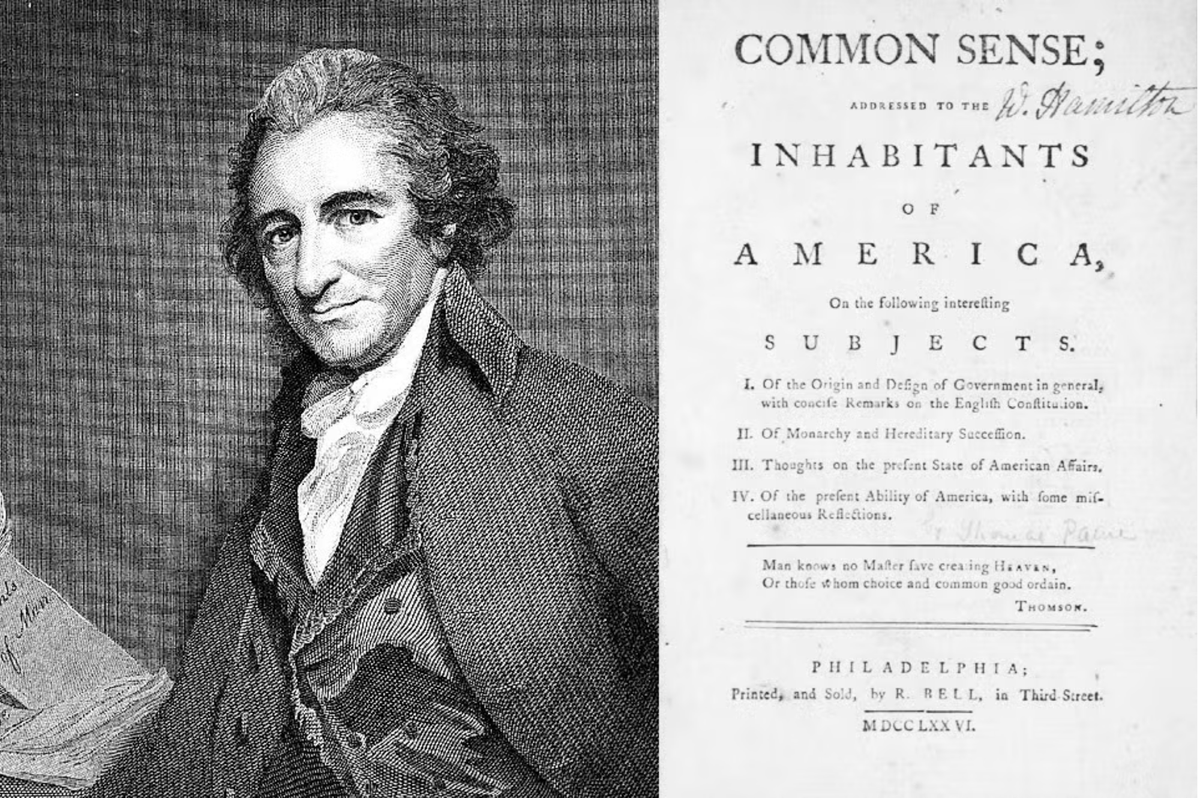
Firstly - this was "accessible language" of the time; how many students or adults would be able to read and understand this now? What does that say for the state of Education. Beyond that, the views on Government sound exactly like what people are beginning to wake up to today. It opens as follows:
Some writers have so confounded society with government, as to leave little or no distinction between them; whereas they are not only different, but have different origins.
Society is produced by our wants, and government by our wickedness; the former promotes our happiness positively by uniting our affections, the latter negatively by restraining our vices.
The one encourages intercourse, the other creates distinctions.
The first is a patron, the last a punisher.
If you have read "Anatomy of the State" by Murray Rothbard, you will already be aware of all of this and ahead of the game! If not, read it here below:
 Murray N. Rothbard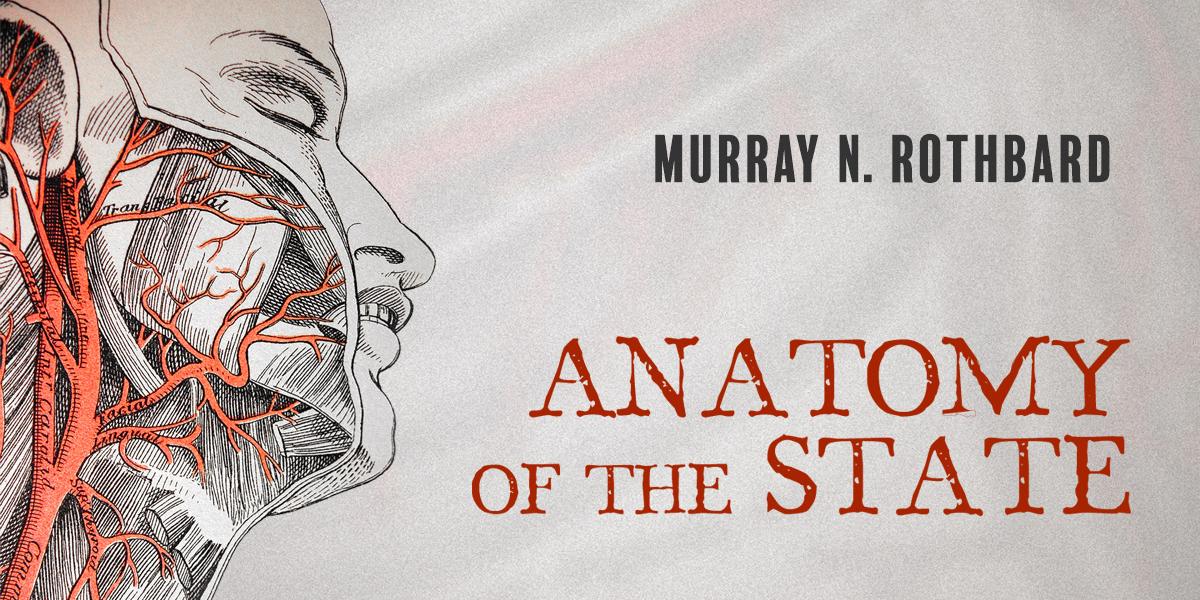
Click to download - multiple formats freely available, including audiobook
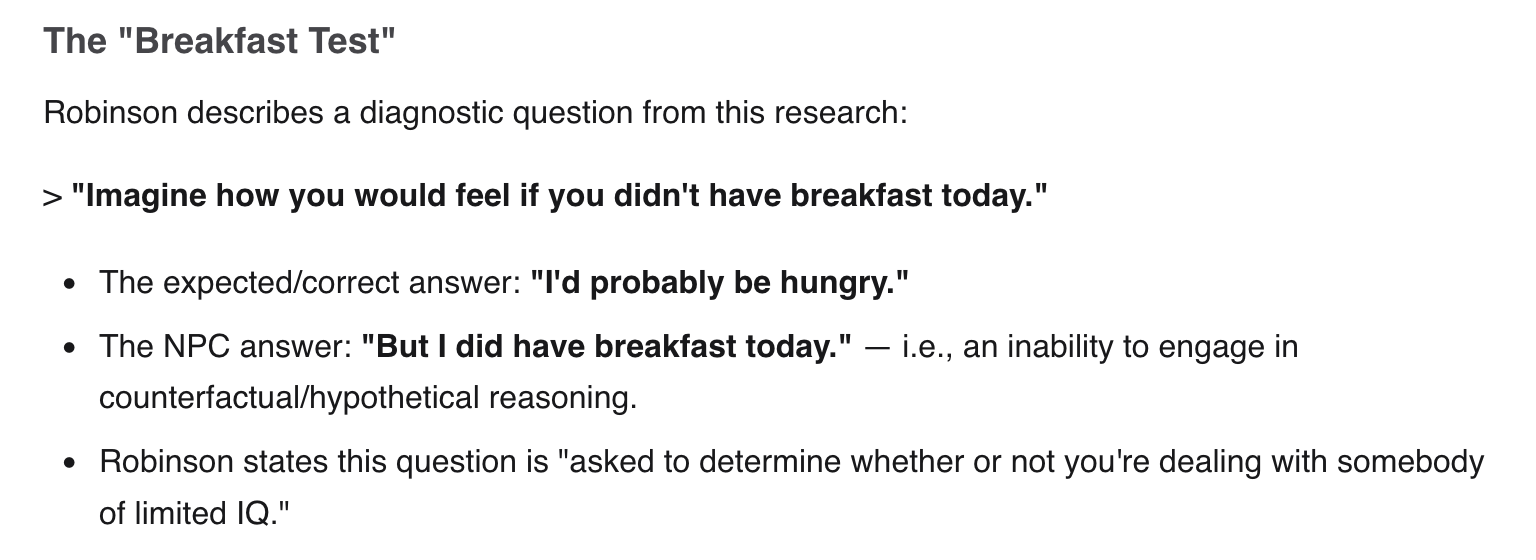
How to spot an NPC
This recent monologue of Charlie Robinson put a big smile on my face. Take a few minutes out from your day to enjoy this.
More in this issue
- Photo memories - at the Fleadh Cheoil
- Project Updates - BIP-110 and all that, self custody and Monero
- Plenty of useful links - don't say nobody told you!
- Closing out - For those who need more Sci-Fi
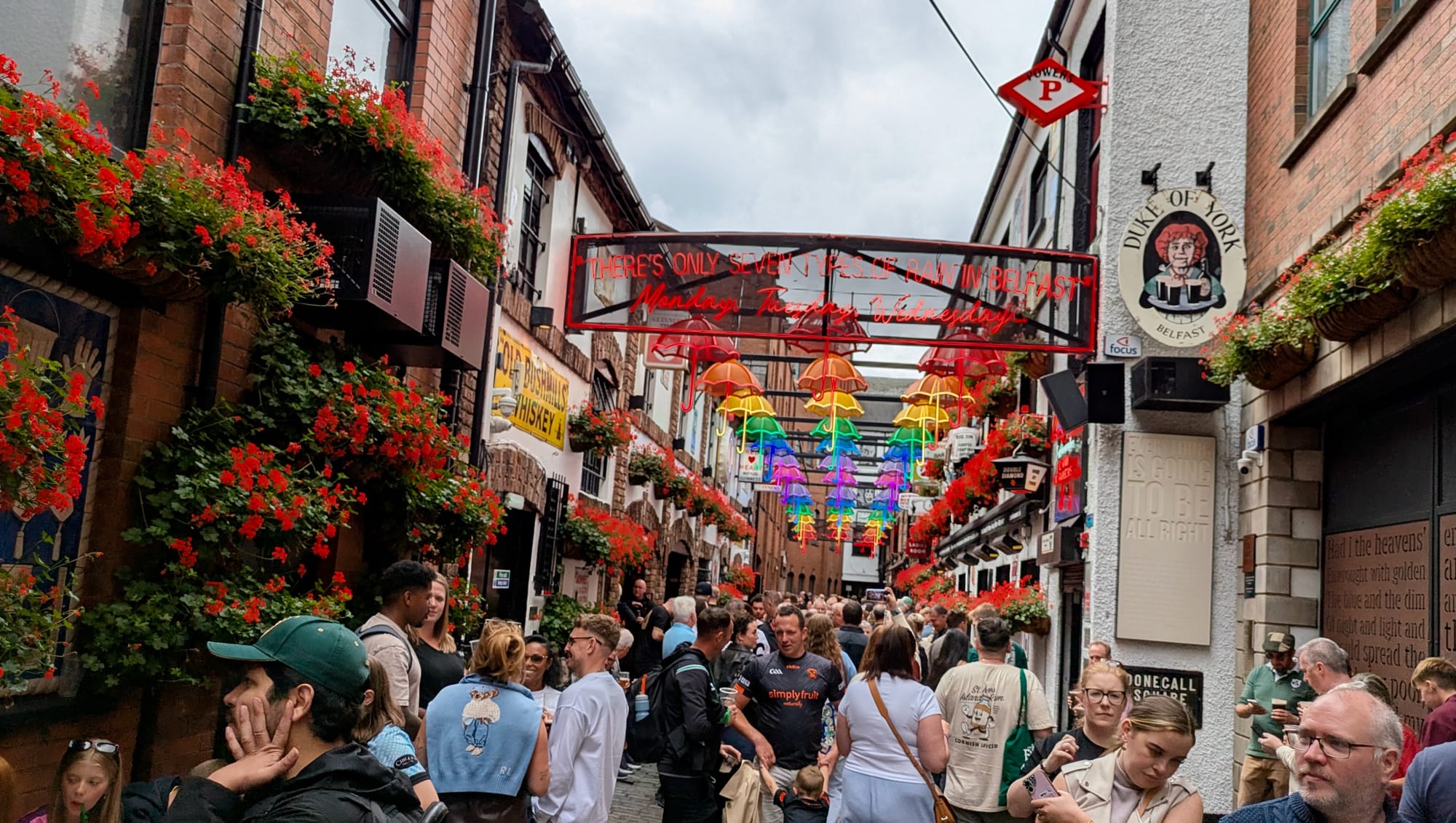

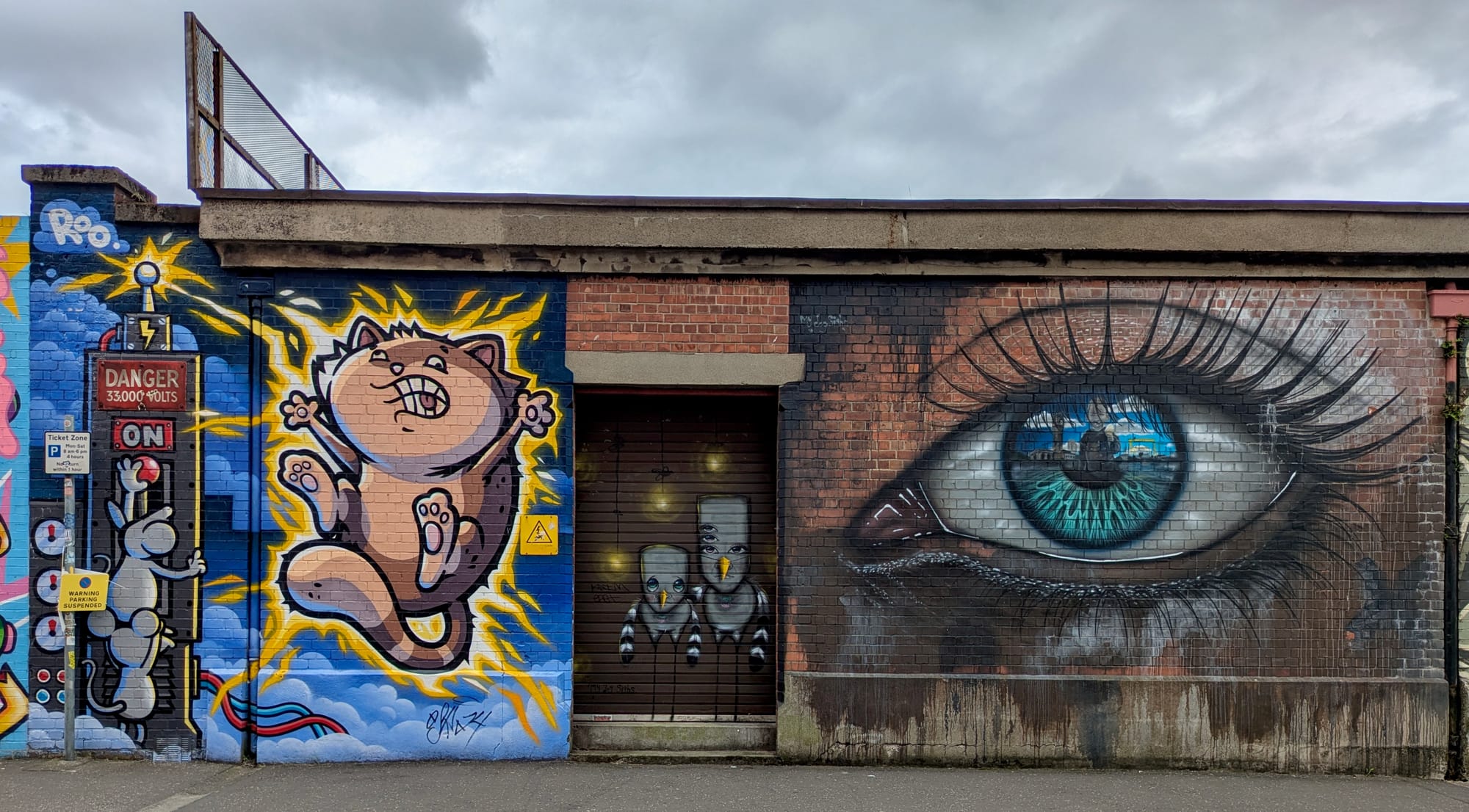

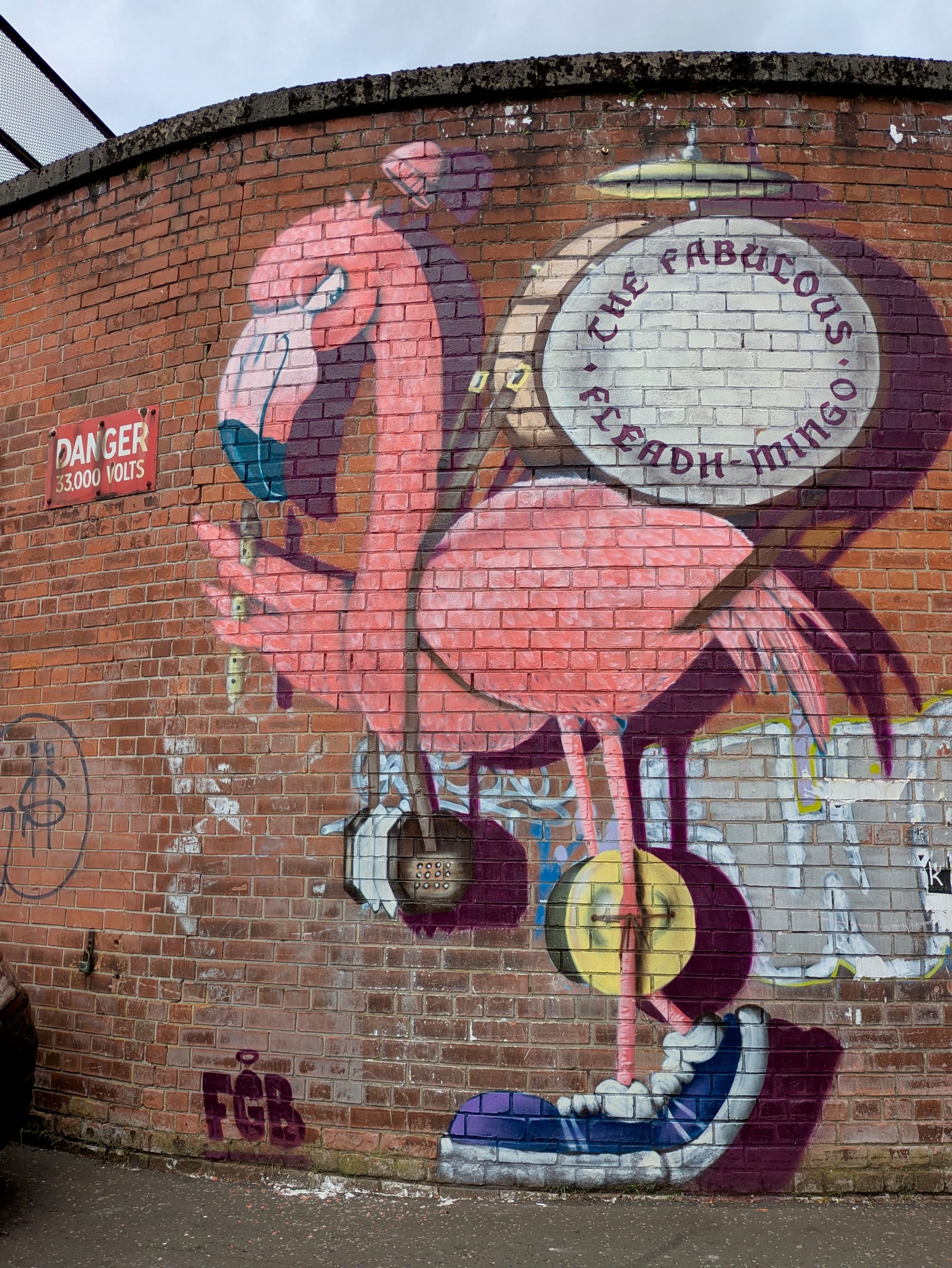

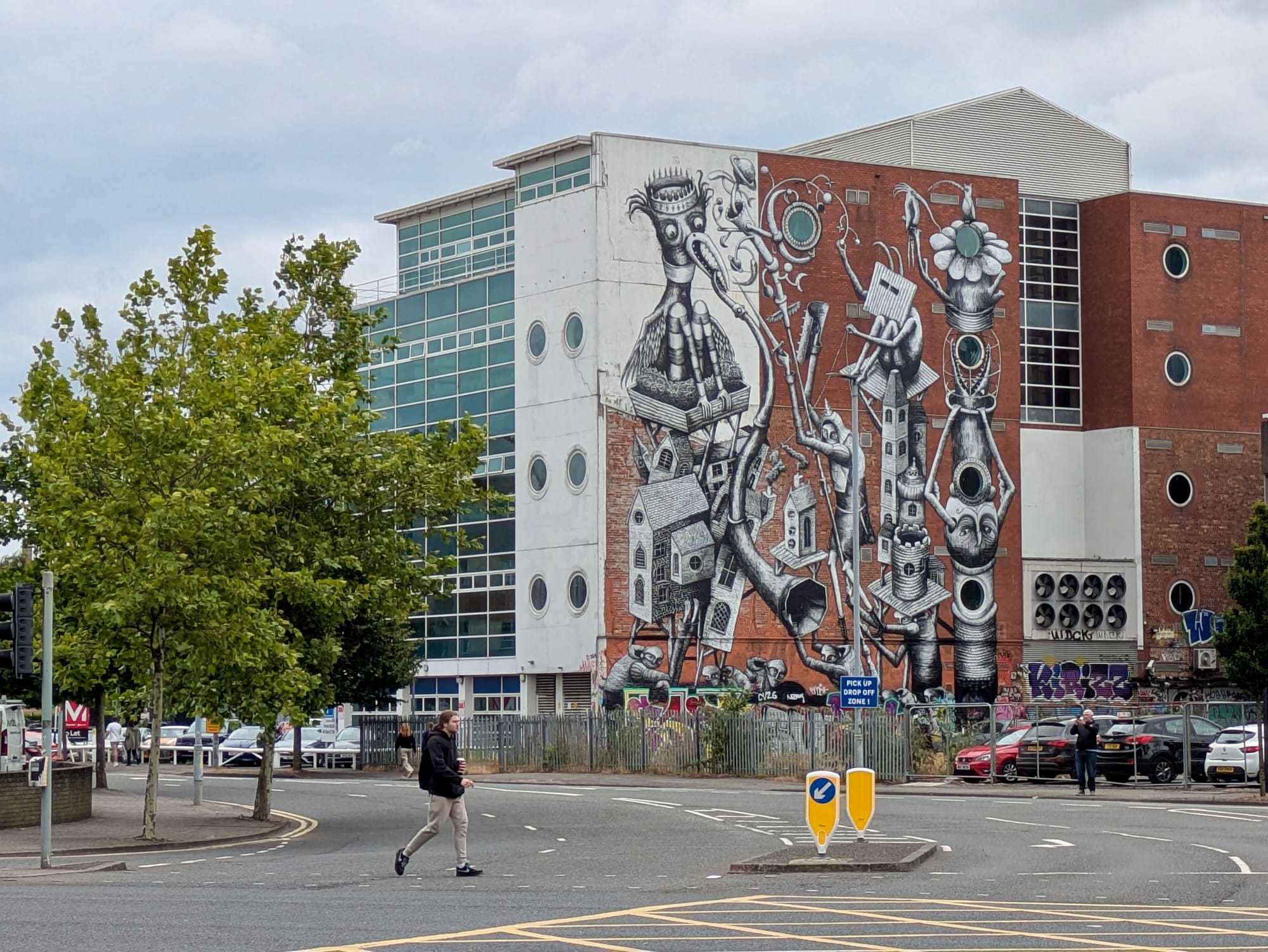

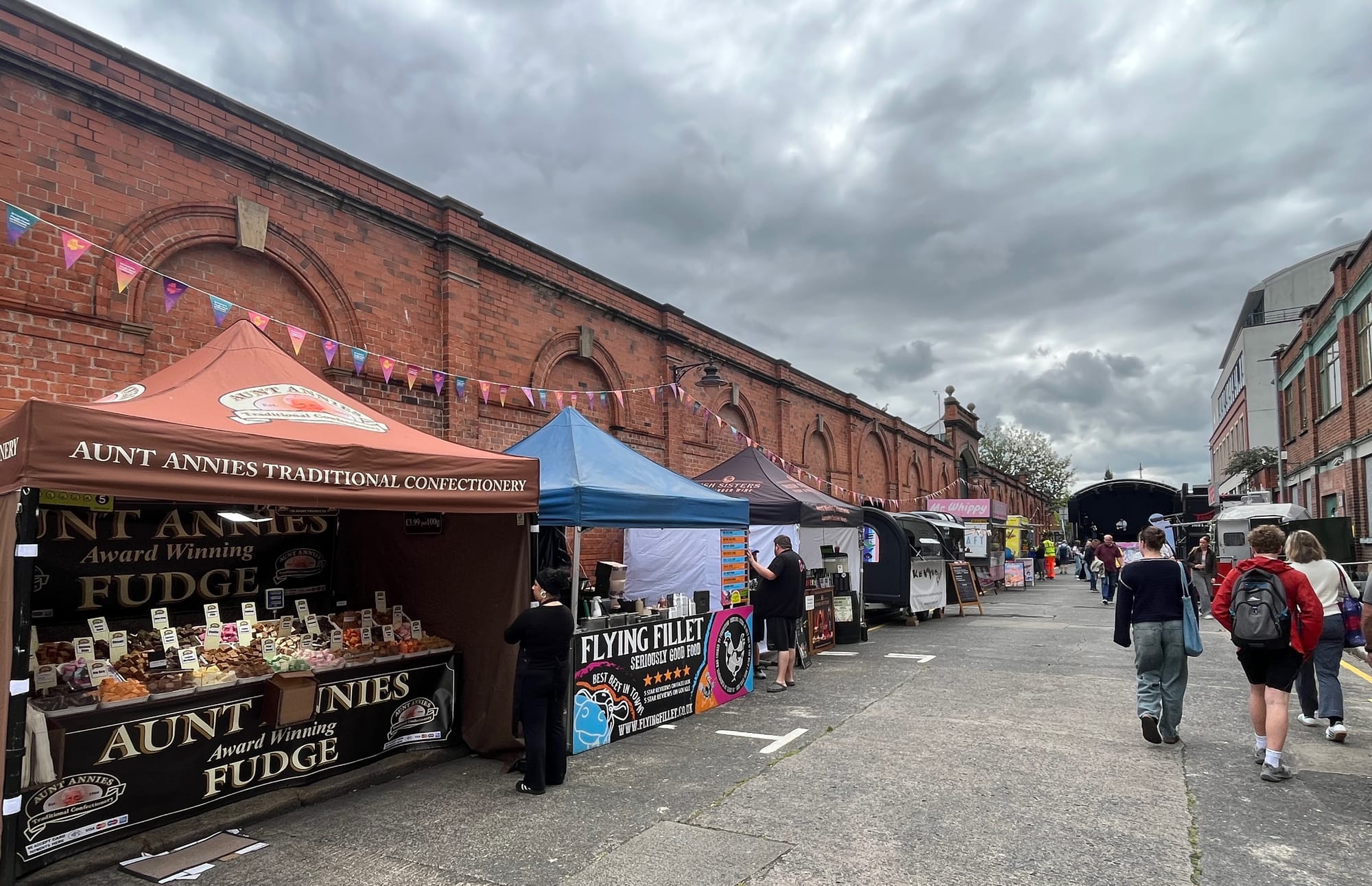
At the Fleadh this week
🛠️ Project Updates
Some rather timely updates from our discussion at this week's Bitcoin meetup. As you can see, we had plenty to discuss! What are you doing?
BIP-110 and all that
There has been a lot of drama in recent weeks around the BIP-110 soft fork and the potential chain split. This all came to a head last weekend and it is now over. TLDR: Nothing changes, there are lessons for all to learn and Bitcoin works as intended.
Two weeks ago I introduced you to Epistemological Warfare and how politicians (and hypnotists!) use Robert Dilts' "Sleight of Mouth" reframe constructions in their statements and arguments to bypass the normal defences in your brain and effectively "cast a spell on you" to make you believe them. Let's look at these techniques in action.
How it started
You should start here with the BIP-110 proposal that was put forward. Give it a read - at least skim through it.
 bitcoin
Click above to read - here for my analysis
TLDR: By chunking up to “Bitcoin as money,” it makes data storage no longer an unapproved use but an abuse of infrastructure. By shrinking the temporal frame to one year, it neutralises the “precedent” and “slippery slope” objections before they can gain momentum. By redefining the fee market as two separate markets, it destroys the neutrality argument that fees alone should ration block space.
In Dilts’ terms, the text does not defend a rule change. It redefines the rule change as boundary maintenance.
The mainstream position
Then read Michael Saylor's 110 objections. It really is a masterpiece of writing and you will be wiser after you have read it and seen the techniques it contains.
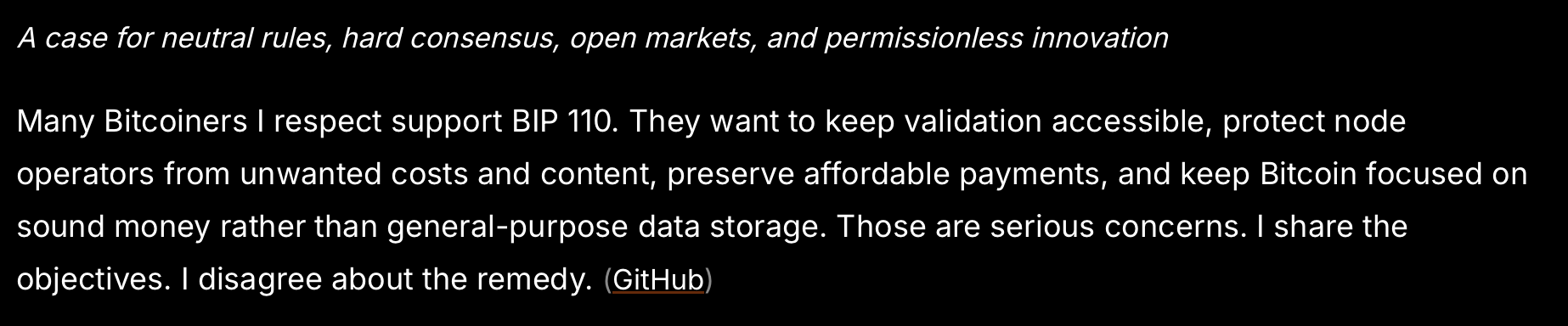
TLDR: Strategically, Saylor's article performs one overarching Sleight of Mouth manoeuvre:
It chunks the debate up from “How do we stop data storage?” to “Who gets to decide what Bitcoin is for?”
By doing so, Saylor shifts the burden of proof entirely. The proponents must now defend not a technical limit, but a governance philosophy. He redefines BIP 110 from an engineering patch into a constitutional amendment that would break Bitcoin’s content neutrality.
My analysis and Simon's take
I examined the articles above, testing for application of these techniques. Each article is packed full of them and (at least with hindsight) you ought to be able to see that this is intentional to set up two sides of an argument and to get people fighting with each other - rather than working through the issues seeking a "third alternative" - recall our discussion on that.
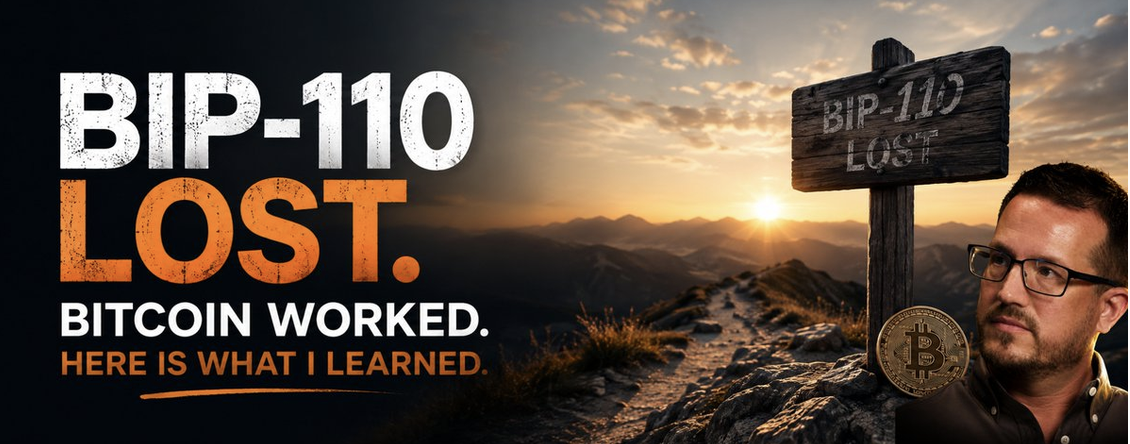
TLDR: Simon's analysis aligns with Saylor on outcome and mechanics while aligning with BIP-110 on motivation and diagnostic concern. His Sleight of Mouth masterpiece is the redefinition of loss as confirmation: BIP-110 did not lose to Core, or to miners, or to corporate interests. It lost to Bitcoin itself, and in Dixon’s model, that is the only legitimate sovereign.
I do rather align with Simon's interpretation. I come at it from a different viewpoint - that of the 7-Habits of Highly Successful People. The BIP-110 "debate" was in fact a classic "Dialogue of the Deaf" where each party was spouting their position and not listening to the other except to dismiss or divert through Dilts' reframing deceptions. Recall Habits 4, 5 and 6:
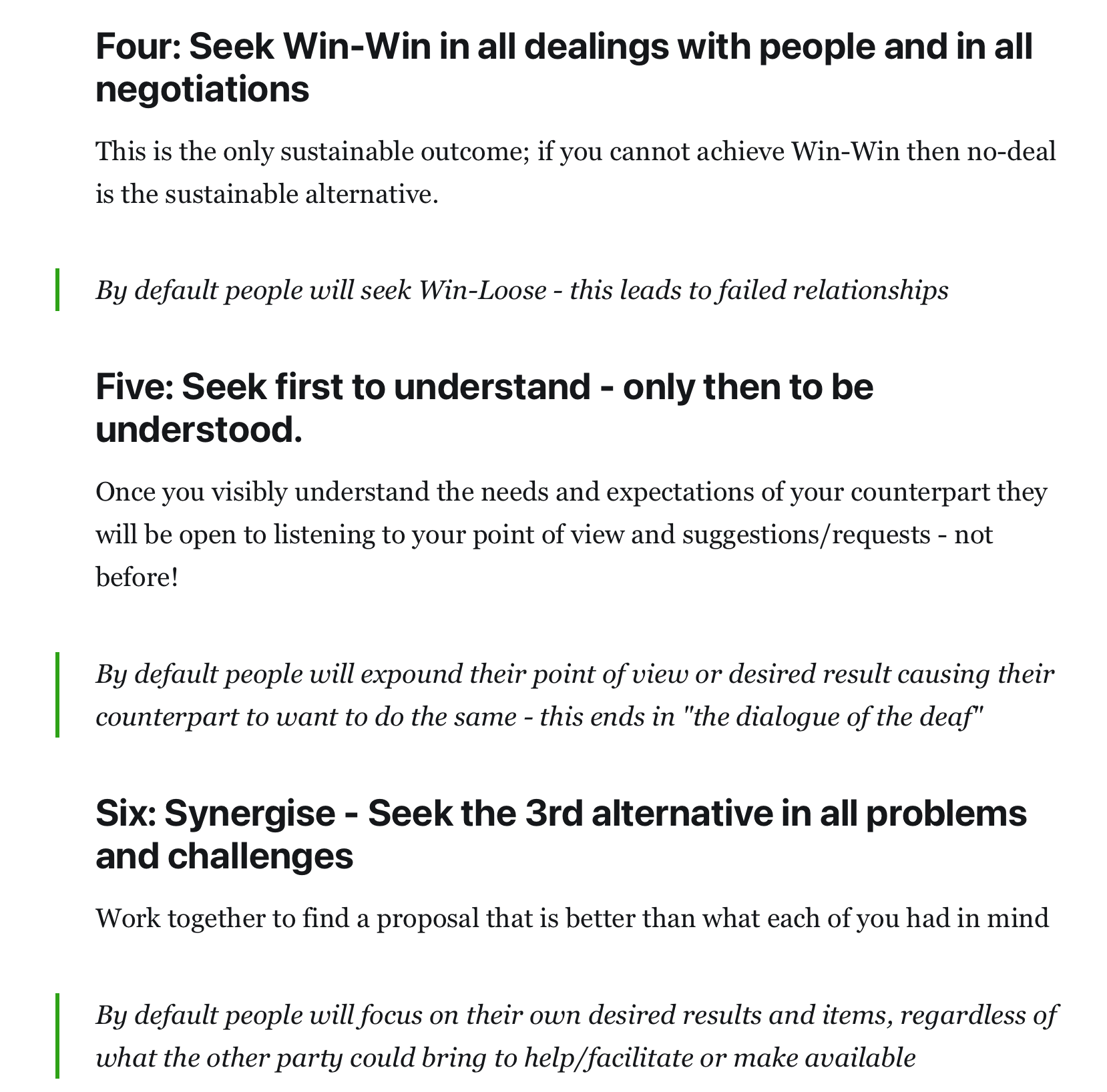
These habits are pretty much universal and apply not only to individuals but groups, organisations and communities and likely even to larger entities. Think about it and how the world would be if we had more widespread adoption of these habits.
Coldcard vulnerability - what to learn and do now
A five-year-old firmware bug silently replaced Coinkite's Coldcard hardware random number generator with a weaker one, cutting seed entropy from 128 bits to as few as 40. On July 30, 2026, an attacker brute-forced those weak seeds and drained over 2,000 BTC (~$130M) from more than 7,700 wallets in a matter of minutes — without ever touching a single device.
The vulnerability was caused by a link-time symbol resolution error introduced during a codebase refactor, which "inadvertently" replaced the hardware True Random Number Generator with a weak software alternative. This flaw persisted for years because Coinkite's shift from open-source to a restrictive license discouraged the community auditing that could have detected such errors.
 Roger Price
Analysis of all the evidence - click to review
Knowing all this, what can you do going forward? Firstly, avoid Coldcard and move any funds away immediately - Coinkite cannot be trusted. Going forward you need to favour open source and well-audited offerings. Be very suspicious of other closed source or restrictive-license products. Other best practices include the use of BIP-39 passphrases - these are easy to use immediately. Longer term Multi-Sig solutions should become easier to use and may have wider adoption.
CakeWallet is well known for its Monero support. In recent years they also have excellent Bitcoin support, including for lightning transfers. They also offer interesting features like CupCake. Notwithstanding the name - this is a seriously interesting open source and well-validated option and a good use of an otherwise obsolete phone - it can certainly form part of your setup - along with Monero.
For this and much more do listen to this excellent interview of CakeWallet COO, Seth by Doug.
 Roger Price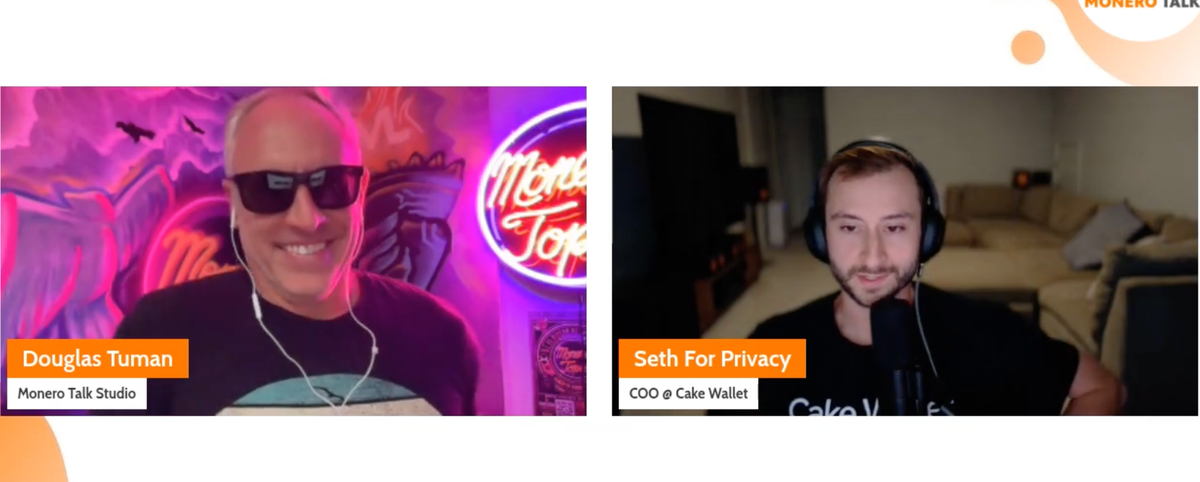
Click for summary and to listen to the full interview
🔗 Links for your edification
A couple of links from my Liferea RSS feeds - learn, enjoy and share.
The Big Picture
Imagine the world is like a giant game of Monopoly. For a long time, America has been the banker — everyone has to use their money (the US dollar) to buy and sell important stuff like oil. This gives America a huge advantage.
But now, the other players are getting tired of the rules and are quietly setting up their own game.
 Roger Price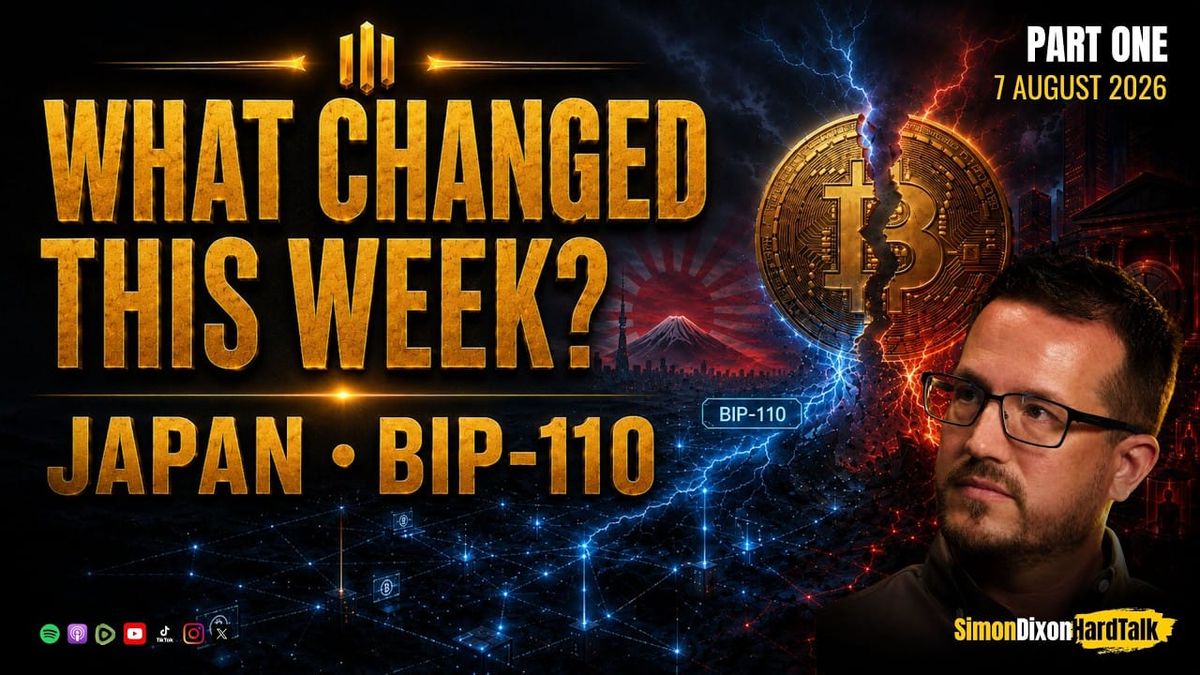
Click for summary and to listen to the full expainer
Big governments and corporations are quietly rearranging the global money system (oil, debt, gold, Japan) while simultaneously trying to corral Bitcoin into their own vaults — and the Coldcard wallet hack and simmering Bitcoin "civil war" around BIP-110 might be part of that squeeze.
There is no sugar-coating it
Guy's central thesis is that the EU has been following the same policy recipe that hollowed out much of South America — protecting incumbents, taxing the productive, borrowing against the future, and treating each crisis as a temporary blip — and is now running out of ways to disguise the consequences.
 Roger Price
Click for summary and to listen to the full explanation
🤔 Closing Thoughts
This week I have something for those of you who need more Sci-Fi to read. From feedback on my review of Hyperion it seems that I have whetted your appetite. Listen to Daniel's wide-ranging exposition of all of his reading experience in Science Fiction. He starts from Mary Shelly's Frankenstein - that you may or may not have read and takes you down various roads from there depending on whether you need more or less of particular attributes.
 Roger Price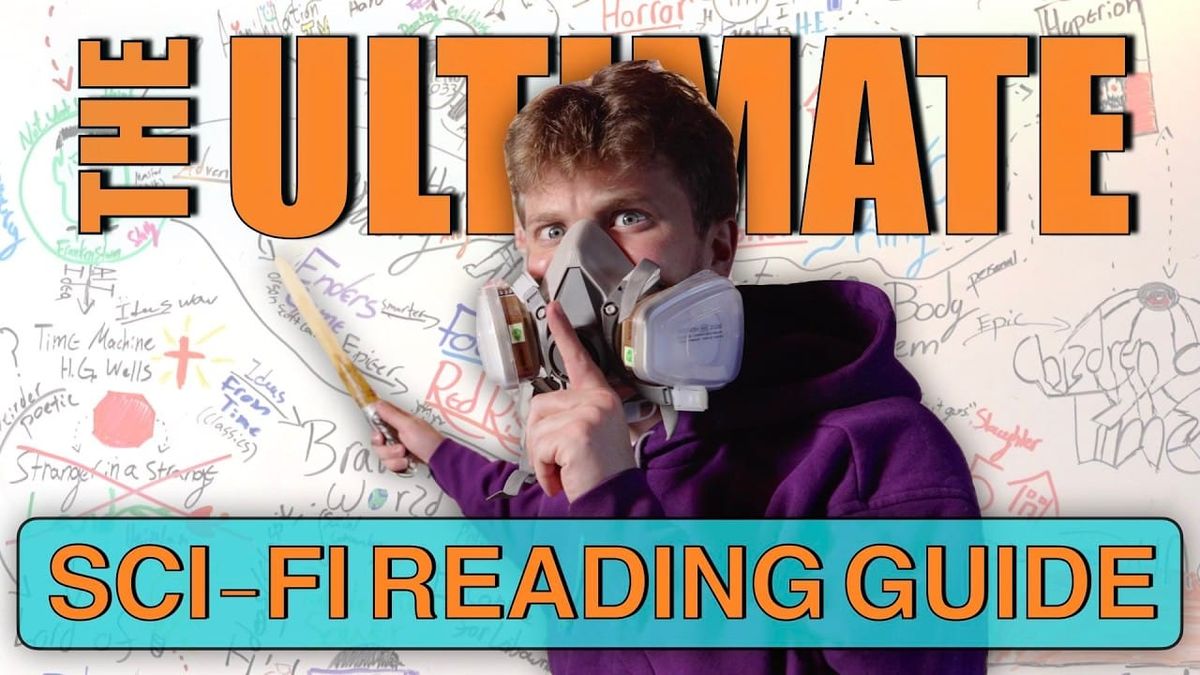
Click for summary and to listen to the walkthrough
His explainer is good fun and his strongest endorsements are the following:
- Hyperion by Dan Simmons. *
- Children of Time by Adrian Tchaikovsky.
- The Hitchhiker’s Guide to the Galaxy by Douglas Adams. *
- Slaughterhouse-Five by Kurt Vonnegut.
- The Gods Themselves by Isaac Asimov.
- Dune by Frank Herbert.
- The Murderbot Diaries by Martha Wells. *
- The Dispossessed by Ursula K. Le Guin.
* ones that I can also recommend - what are your recommendations?
❤️ Enjoy this newsletter?
Forward to a friend and let them know where they can subscribe
No one can be told what The Matrix is. You have to see it for yourself.
- Morpheus to Neo in The Matrix
Any questions or anything else? Feel free to comment below!
You can also email me at: LetterFrom@rogerprice.me
- The Architect
💡Enjoy the newsletters in your own language: Spanish, Dutch, French, Italian, German, Serbian, Croatian, Chinese Traditional & Simplified, Burmese, Irish (Gaelic), Russian and Thai